


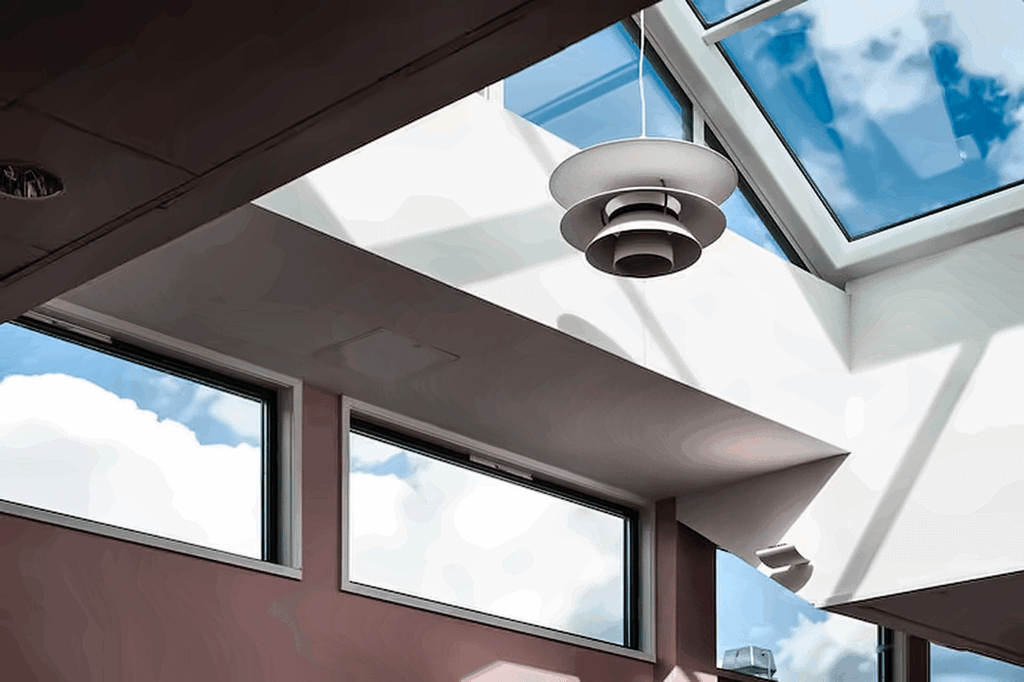
Rooflights are often chosen for the difference they make during the day. They can bring natural light into kitchens, extensions, bathrooms, bedrooms and open-plan living spaces, helping previously dark areas feel brighter, larger and more welcoming.
But the benefits of a well-designed rooflight do not stop when the sun goes down.
After dark, a rooflight can completely change the atmosphere of a room. Instead of simply looking upwards at a ceiling, you can enjoy views of the moon, passing clouds or a clear night sky. With suitable blinds, glazing and ventilation options, a rooflight can also provide practical benefits throughout the year.
For UK homeowners planning an extension, renovation or new living space, rooflights are therefore about much more than simply adding daylight. They can influence the appearance, comfort and character of a room from morning through to night.
Why Install a Rooflight in a UK Home?
Many areas of a property naturally receive less daylight than others. Extensions, rear additions, converted spaces and rooms surrounded by neighbouring buildings can sometimes feel darker than the rest of the house.
A rooflight provides a direct source of overhead natural light, helping to distribute daylight deeper into the room.
This can make a noticeable difference in:
- Open-plan kitchens
- Dining areas
- Living rooms
- Home offices
- Bedrooms
- Bathrooms
- Rear extensions
- Single-storey extensions
- Conservatory replacements
- Converted loft and roof spaces
Compared with a conventional vertical window, a rooflight can introduce light from above, making it particularly useful where surrounding walls restrict the amount of daylight entering a room.
The result can be a brighter and more open interior without relying entirely on artificial lighting during the daytime.
Rooflights Look Just as Impressive After Dark
One of the less obvious advantages of installing a rooflight is what happens once daylight disappears.
During the evening, the glass becomes a connection to the outside rather than simply a source of illumination. Depending on your location and local light pollution, you may be able to see the moon, stars and changing cloud formations from inside your home.
A fixed rooflight above a seating or dining area can create an especially atmospheric setting. Imagine having dinner beneath a clear night sky, relaxing on the sofa while watching clouds move overhead or simply lying in bed and looking at the stars.
For many homeowners, these small experiences become one of the most enjoyable features of having a rooflight.
The effect can be particularly noticeable in rural and suburban areas where the night sky is darker, although even in towns and cities a rooflight can provide a different perspective on the outside environment.
Which Rooms Benefit Most from Rooflights?
The ideal position for a rooflight depends on the layout, roof structure and purpose of the room. However, some areas of a property can benefit particularly strongly from overhead glazing.
Rooflights in Kitchens and Dining Areas
Kitchens are among the most popular locations for rooflights.
An overhead rooflight positioned above a kitchen island, dining table or central preparation area can introduce natural daylight into areas that may otherwise depend heavily on artificial lighting.
In the evening, the same rooflight can create a focal point above the dining area, particularly when combined with carefully positioned internal lighting.
For open-plan homes, multiple rooflights can also help create different zones without making the space feel enclosed.
Rooflights in Living Rooms
A rooflight can bring additional daylight into a living room while creating a stronger visual connection with the outdoors.
After dark, the view upwards can add another dimension to the room. A clear night sky can provide a calm backdrop, while moonlight and changing weather conditions can create subtle variations in the atmosphere.
For homeowners creating a contemporary extension, combining rooflights with large windows or glazed doors can maximise the connection between the interior and garden.
Rooflights in Bedrooms
Bedrooms require a slightly different approach.
Natural daylight can make a bedroom feel brighter and more welcoming during the morning, while appropriate blinds can provide privacy and darkness when required.
A rooflight above a bed can also create a unique nighttime experience, particularly when positioned to provide a view of the sky.
However, homeowners should consider the orientation of the rooflight, the level of surrounding artificial light and the type of blind being installed.
A blackout blind can be particularly useful during the lighter UK summer months.
Rooflights in Bathrooms
A rooflight can be an effective way of introducing natural light into a bathroom while maintaining privacy.
Depending on the design and position, homeowners can enjoy daylight without requiring a large conventional window overlooking neighbouring properties.
Opening rooflights can also provide useful ventilation, helping warm, humid air escape after showers and baths.
For bathrooms where privacy is particularly important, suitable glazing, blinds or other privacy solutions can provide greater flexibility.
Rooflight Blinds Give You Control Over Light and Privacy
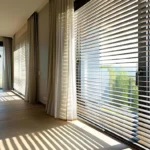
While natural light is one of the biggest reasons to install a rooflight, there are times when you will want to reduce or completely block the incoming light.
This is where rooflight blinds become important.
A well-fitted blind can provide:
- Greater privacy
- Better control over daylight
- Reduced glare
- Improved bedroom darkness
- Additional solar control during summer
- A more comfortable sleeping environment
- Greater flexibility throughout the day
Motorised blinds can be particularly convenient for rooflights that are difficult to reach manually. Depending on the system, they may be operated using a remote control, wall switch or smart-home system.
For bedrooms, blackout blinds can help create a darker environment during summer mornings. For living spaces, adjustable blinds allow homeowners to control glare without completely losing the benefits of natural light.
Choosing the Right Rooflight for Your Home
There is no single rooflight design that suits every property.
The best option depends on the roof structure, room layout, desired appearance, ventilation requirements, energy efficiency and planning or building considerations.
Common options include:
Fixed Rooflights
Fixed rooflights are designed primarily to provide additional daylight.
They are often suitable for kitchens, living areas, extensions and other rooms where ventilation is not the primary requirement.
Opening Rooflights
Opening rooflights provide both daylight and ventilation.
They can be useful in kitchens, bathrooms and living spaces where homeowners want to release warm air during the summer.
Electric or automated opening systems can make operation particularly convenient.
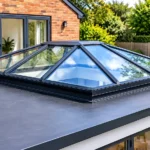
Roof Lanterns
Roof lanterns use a raised glazed structure to introduce light from multiple angles.
They can create a strong architectural feature over extensions and larger open-plan areas, providing both daylight and an expansive view of the sky.
Pitched Rooflights
Pitched rooflights are designed for sloping roof applications and can be particularly effective in loft conversions, pitched extensions and other areas where the roof design allows for angled glazing.
Energy Efficiency Matters in the UK Climate
A rooflight needs to provide more than an attractive view.
The UK’s changing weather conditions mean that thermal performance should be an important consideration when choosing roof glazing.
Modern high-performance rooflights can incorporate advanced glazing systems designed to reduce heat transfer and improve overall thermal comfort.
When choosing a rooflight, homeowners should consider factors such as:
- U-values
- Glazing specification
- Solar control
- Frame performance
- Airtightness
- Installation quality
- Roof orientation
- Ventilation requirements
A poorly specified or badly installed rooflight can create unwanted heat loss, condensation or uncomfortable temperature changes.
Choosing a suitable system and ensuring it is correctly installed is therefore essential.
Rooflights and Summer Overheating
Although rooflights can make a home brighter and more attractive, large areas of overhead glazing can also increase solar gain during periods of strong sunlight.
This is particularly important in south-facing rooms and highly glazed extensions.
The solution is not necessarily to avoid rooflights. Instead, homeowners can consider the overall design, glazing specification, shading and ventilation.
Options may include:
- Solar-control glazing
- Internal blinds
- External shading
- Opening rooflights
- Automated ventilation
- Carefully considered rooflight positioning
Combining these features can help maintain a comfortable indoor environment during warmer periods.
Rooflights Can Improve the Sense of Space
One of the biggest visual advantages of a rooflight is its ability to make a room feel larger.
Light coming from above can draw the eye upwards, creating a stronger sense of height and openness.
This can be particularly effective in:
- Kitchen extensions
- Side returns
- Rear extensions
- Garden rooms
- Open-plan renovations
- Converted spaces
A relatively compact extension can feel significantly more spacious when natural light is introduced from both vertical glazing and above.
Rooflights and Modern Home Design
Contemporary UK architecture increasingly focuses on bringing natural light deeper into residential interiors.
Rooflights complement this approach by allowing architects, designers and homeowners to introduce glazing where traditional windows may not be practical.
They can be combined with:
- Sliding doors
- Bi-fold doors
- Large fixed windows
- Roof lanterns
- Glazed extensions
- Open-plan layouts
This creates a stronger relationship between indoor and outdoor spaces while helping the property benefit from natural daylight.
For homeowners looking at a complete windows, doors and roof glazing project, a supplier such as The National Window Store can also provide a useful starting point for exploring complementary glazing solutions for different areas of a property.
Maintaining Your Rooflight
A rooflight is exposed to the UK’s weather throughout the year, so maintenance should not be overlooked.
Rain, dust, leaves, pollution and other debris can gradually affect the appearance of the glazing.
Regular checks should include:
- Cleaning the accessible glazing
- Checking seals for visible deterioration
- Inspecting surrounding roof materials
- Looking for signs of condensation
- Checking drainage and flashing where applicable
- Ensuring opening mechanisms operate correctly
- Inspecting blinds and electrical controls
Always follow the manufacturer’s maintenance recommendations and use appropriate professional assistance where roof access presents a safety risk.
What About Privacy?
Privacy is an important consideration when planning roof glazing, particularly in bedrooms and bathrooms.
The good news is that rooflights can be designed around privacy requirements.
Depending on the room and location, options can include:
- Privacy or obscure glazing
- Rooflight blinds
- Blackout blinds
- Automated shading
- Carefully considered positioning
Because the glazing is installed overhead, it can often provide natural light without creating the same direct sightlines associated with conventional vertical windows.
Rooflights Create a Different Connection With the Outdoors
Modern homes can sometimes feel disconnected from nature. Walls, ceilings, curtains, artificial lighting and screens naturally draw our attention indoors.
A rooflight creates a simple connection in the opposite direction.
During the day, it brings changing daylight into the room.
In the evening, it can reveal the sky.
On a rainy afternoon, you may hear the gentle sound of rain against the glass. On a clear summer evening, you may see the last light disappear from the sky. On a winter night, you may notice the moon or stars overhead.
These experiences are not necessarily the main reason homeowners install rooflights, but they can become some of the most appreciated aspects of having one.
Are Rooflights Worth It for a UK Home?
For many homeowners, the answer is yes, particularly when a room suffers from poor natural lighting or when an extension would benefit from a stronger connection with the outdoors.
The key is to choose a rooflight based on the property rather than simply its appearance.
Consider:
- Where the rooflight will be positioned
- How much daylight you want
- Whether ventilation is required
- The direction the roof faces
- Thermal performance
- Solar control
- Privacy
- Blind requirements
- The architectural style of the property
- Installation and maintenance requirements
A well-designed rooflight can provide benefits throughout the entire day, from bright morning light to a peaceful view of the night sky.
Final Thoughts: Look Up and Make More of Your Home
A rooflight is more than a piece of glazing installed in a roof.
It can transform how a room looks and feels, introducing daylight where it was previously lacking and creating a completely different atmosphere after sunset.
For UK homeowners, modern rooflights offer the opportunity to combine natural light, ventilation, energy-conscious glazing and practical shading with a stronger connection to the outdoors.
Whether you’re planning a kitchen extension, renovating a bathroom, creating an open-plan living space or simply looking for ways to make a darker room feel brighter, roof glazing could be worth considering.
And when the evening arrives, there is an added benefit that is easy to overlook: instead of simply looking at the ceiling, you can look up and see the sky.