





Modern homeowners are increasingly looking for ways to improve privacy, enhance interior design and make everyday living more convenient. Integral blinds offer a practical solution by incorporating blinds directly inside a sealed double- or triple-glazed glass unit, creating a neat, contemporary finish without the need for traditional external blinds.
Whether you are upgrading your windows, installing new patio doors or planning a home extension, integral blinds can combine style, functionality and ease of use. They are particularly popular in modern homes where clean lines, natural light and low-maintenance interiors are important considerations.
For homeowners exploring window and door solutions, National Window Store provides a useful starting point for considering how different glazing options can complement your property’s appearance and everyday requirements.
What Are Integral Blinds?
Integral blinds are blinds fitted between the panes of a sealed insulated glass unit. Unlike conventional blinds, which hang inside a room and collect dust on their surfaces, integral blinds are enclosed within the glazing itself.
The sealed design protects the blinds from much of the dust, dirt and everyday contact associated with traditional window coverings. Depending on the product, the blinds can be raised, lowered or tilted to control light and privacy.
Integral blinds are available in different colours, finishes and operating styles, allowing homeowners to choose an option that complements their interior décor.
They can be particularly suitable for:
- Modern windows and glazed doors.
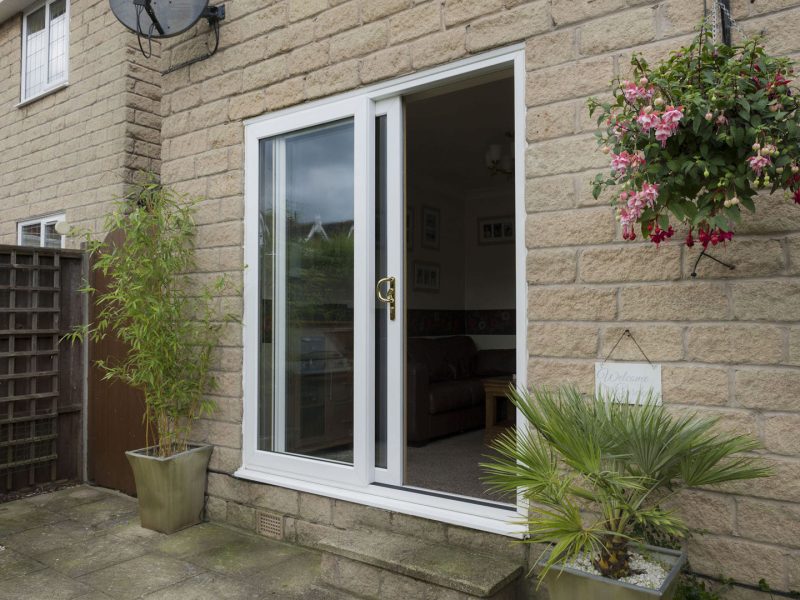
- Patio and sliding doors.
- Bi-folding doors.
- Kitchen and dining areas.
- Conservatories and garden rooms.
- Homes with contemporary or minimalist interiors.
The precise options available depend on the glazing system, door configuration and manufacturer’s specifications.
The Main Benefits of Integral Blinds
1. A Clean and Contemporary Appearance
One of the main advantages of integral blinds is their streamlined appearance. Because the blinds sit between the glass panes, there are no external cords, hanging slats or bulky headrails to interrupt the appearance of your windows and doors.
This creates a neat finish that works well with contemporary interiors, open-plan living spaces and minimalist designs.
Integral blinds can also help maintain an uncluttered appearance around large glazed openings, making them an attractive choice for homeowners who want their windows and doors to remain a central feature of the room.
2. Improved Privacy Whenever You Need It
Privacy is an important consideration for properties overlooking neighbouring homes, busy roads or public footpaths.
Integral blinds allow you to adjust the position or angle of the slats to reduce visibility into your home. This is especially useful in bedrooms, bathrooms, kitchens and ground-floor living rooms.
Unlike curtains or conventional blinds, integral blinds do not need to be moved aside or pulled across the window. You can adjust them while keeping the surrounding window area clear.
However, privacy depends on the blind’s position, slat angle and lighting conditions. At night, when interior lights are on, it is important to close the blinds appropriately if you want to limit visibility from outside.
3. Better Control Over Natural Light
Natural daylight can make a room feel brighter, more spacious and more welcoming. However, direct sunlight can sometimes cause glare on television screens, computer monitors and kitchen worktops.
Integral blinds provide adjustable light control, allowing you to change the angle of the slats to manage the amount of daylight entering a room.
This flexibility can be useful in home offices, living rooms, conservatories and south-facing spaces that receive strong sunlight during parts of the day.
Rather than completely blocking the window, you can adjust the blinds to balance daylight with privacy and comfort.
4. A Low-Maintenance Alternative to Traditional Blinds
Traditional blinds can collect dust and may require regular wiping, vacuuming or careful cleaning. Curtains and external window coverings can also need periodic maintenance.
Because integral blinds are enclosed within the glass unit, they are protected from much of the dust, grease and accidental contact that affect conventional blinds.
This can make them particularly appealing in busy households, kitchens and properties where easy maintenance is a priority.
The glass itself will still need cleaning and the sealed glazing unit and operating mechanism should be maintained according to the manufacturer’s guidance.
5. No Hanging Cords or Exposed Mechanisms
Integral blinds remove the need for exposed hanging cords and many of the external components associated with traditional blinds.
This creates a tidier appearance and reduces the risk of cords becoming tangled or interfering with furniture and everyday activities.
Cord-free operation can also be a useful consideration for households with young children or pets. However, product-specific safety features should always be checked rather than assuming every integral blind system offers the same level of protection.
6. Ideal for Patio and Bi-Folding Doors
Large glazed doors can introduce plenty of natural light, but they can also create challenges when it comes to privacy and window coverings.
Traditional blinds may swing when doors open, interfere with handles or become awkward to operate across multiple panels.
Integral blinds offer an alternative by keeping the blinds inside the sealed glazing unit. This helps maintain a neat appearance when opening and closing the doors.
They can be particularly suitable for patio doors, sliding doors and selected bi-folding door systems, subject to compatibility with the manufacturer’s specifications.
For homeowners planning an extension or improving access to the garden, integral blinds can help combine practical light control with a modern glazed design.
7. Flexible Operating Options
Integral blinds are available with different operating mechanisms, depending on the product.
Common options include:
- Magnetic operation: Magnets allow the blinds to be adjusted from outside the sealed glass unit.
- Manual controls: Selected systems use an external control mechanism to raise, lower or tilt the blinds.
- Motorised operation: Certain products allow the blinds to be operated electrically, offering additional convenience.
- Smart control: Some compatible motorised systems can integrate with home automation technology.
The availability of these features varies by manufacturer and glazing configuration. If you are considering motorised blinds, check the power requirements, controls, warranty and compatibility before making a decision.
8. Potential Support for Indoor Comfort
Integral blinds can influence how sunlight enters a room and may help manage glare and solar heat gain when used with suitable glazing.
The overall thermal performance of the window or door depends primarily on the complete insulated glass unit, frame, seals and installation. Integral blinds should not automatically be considered a substitute for high-performance glazing or effective shading.
For rooms exposed to strong sunlight, consider the combined performance of the glass and blinds, including whether solar-control glazing is appropriate.
This is particularly relevant for conservatories, garden rooms and extensions with large glazed areas.
Are Integral Blinds Energy Efficient?
Energy efficiency is an important consideration for UK homeowners looking to improve indoor comfort and manage heating costs.
Integral blinds are installed within a sealed glazing unit, but their presence does not automatically mean that a window or door is more energy efficient than another product.
Thermal performance depends on several factors, including:
- The quality and specification of the double or triple glazing.
- The insulating properties of the window or door frame.
- The effectiveness of the seals and installation.
- The type of glass and any low-emissivity coatings.
- The blind design and its effect on solar gain.
Some integral blind systems can help reduce direct sunlight and glare, while suitable glazing can help minimise heat transfer. However, the benefits vary according to the product and conditions.
When comparing options, review the complete window or door specification rather than focusing on the blinds alone.
Integral Blinds vs Traditional Blinds: Which Is Better?
Both integral blinds and traditional blinds can be useful, but they serve different needs.
| Feature | Integral blinds | Traditional blinds |
| Position | Between panes of glass | Inside the room |
| Appearance | Neat and integrated | Wider choice of visible styles |
| Dust exposure | Protected within sealed glazing | More exposed to household dust |
| Cleaning | Glass requires routine cleaning | Blinds may need separate cleaning |
| Light control | Depends on the blind mechanism | Varies by blind style |
| Replacement | May require specialist glazing-unit work | Often easier to replace independently |
| Installation | Requires compatible glazing | Can often be added to existing windows |
| Initial cost | Can be higher than basic blinds | Available across a broad price range |
The best option depends on your priorities. Integral blinds suit homeowners who value a streamlined finish and reduced exposure to dust. Traditional blinds may be more appropriate if you want to change colours and styles frequently or need a lower-cost option for existing windows.
Are Integral Blinds Suitable for Every Window and Door?
Integral blinds can be an excellent choice for many modern glazing applications, but not every window or door system is compatible.
Before choosing a product, consider the following factors.
Window and door design: Check whether the glazing system supports integral blinds, particularly for sliding or bi-folding doors.
Glazing specification: The glass unit must be designed to accommodate the blind mechanism while meeting the relevant performance requirements.
Operating mechanism: Decide whether magnetic, manual or motorised operation best suits your household.
Room requirements: Kitchens, bathrooms, bedrooms and living rooms may have different requirements for privacy, daylight and ventilation.
Maintenance and repairs: Ask about the manufacturer’s warranty, replacement procedures and what happens if the blind mechanism or sealed glass unit develops a fault.
Professional advice can help establish whether integral blinds are suitable for your planned installation.
How Much Do Integral Blinds Cost in the UK?
The cost of integral blinds varies depending on the dimensions of the glazing, the type of blind, the operating mechanism and the window or door system.
Motorised options may cost more than manually operated alternatives, while larger or specialist glazed units can increase the overall price.
Installation costs also depend on whether you are ordering new windows and doors or replacing glazing in an existing frame.
For a more accurate comparison, request a quotation that explains what is included, such as:
- The integral blind glazing unit.
- The selected operating mechanism.
- The window or door frame, if required.
- Installation and finishing work.
- Warranty coverage.
- Any electrical work required for motorised operation.
If you already have windows installed, ask whether the existing frames can accommodate compatible replacement glazing. It is not always possible or cost-effective to retrofit integral blinds into an existing unit.
What Should You Consider Before Buying Integral Blinds?
Choosing the right system involves more than selecting a colour or operating mechanism. Consider how the blinds will function as part of your home.
Match the Blinds to Your Interior Design
Neutral shades can complement a wide range of interiors, while darker colours may create a stronger visual contrast. Consider your wall colours, flooring, furniture and window frame finishes when choosing the blind design.
Think About Sunlight and Privacy
Bedrooms may require greater privacy, while living rooms and kitchens may benefit from flexible daylight control. Consider the direction your windows face and how the room is used throughout the day.
Check Compatibility With Your Glazing
If you are installing new windows or doors, discuss integral blinds before finalising the specification. This helps ensure that the glazing, frame and operating mechanism are compatible.
Compare Warranty and Aftercare
Ask the supplier about the warranty for the sealed glass unit, blind mechanism and any electrical components. Check whether repairs can be carried out independently or whether the complete glazed unit may need replacing.
Consider Future Maintenance
Although integral blinds are protected from everyday dust, their operating mechanisms and sealed units may eventually require attention. Understanding the manufacturer’s maintenance guidance can help you make a more informed decision.
Why Consider National Window Store for Your Window and Door Project?
Choosing the right glazing is an important part of improving the comfort, appearance and functionality of your home.
National Window Store offers a starting point for UK homeowners researching windows, doors and glazing solutions for home improvements, renovations and extensions.
When exploring integral blinds, it is worth considering how they could work alongside your chosen window or door design, glazing specification and preferred interior style.
Whether you are updating a single room, planning new patio doors or creating a brighter open-plan living space, compare the available options carefully to find a solution that meets your requirements.
Before ordering, confirm product availability, integral blind compatibility, operating options and warranty details with the supplier.
Frequently Asked Questions About Integral Blinds
Do integral blinds collect dust?
Because they are enclosed between the panes of glass, integral blinds are protected from most household dust and direct contact. The glass surfaces still require regular cleaning.
Can integral blinds be fitted to existing windows?
Sometimes, but compatibility depends on the existing frames and glazing system. Replacing the complete sealed glass unit may be necessary and retrofitting is not always practical.
Are integral blinds suitable for bi-folding doors?
Some bi-folding door systems support integral blinds. You should confirm compatibility with the door manufacturer, particularly where panel dimensions and operating mechanisms are concerned.
Can integral blinds be motorised?
Yes, selected systems offer motorised operation. Some may also support smart-home integration, depending on the controls and manufacturer.
Do integral blinds provide complete privacy?
They can provide a high degree of privacy when positioned correctly, but the result depends on the blind design, slat angle and lighting conditions. Check privacy requirements for bedrooms and bathrooms before choosing a system.
Are integral blinds better than curtains?
Neither option is universally better. Integral blinds offer a neat, space-saving finish and adjustable light control, while curtains provide additional decorative choices and can contribute to room-darkening and thermal comfort when appropriately specified.
How long do integral blinds last?
Their lifespan depends on the quality of the glazing unit, blind mechanism, operating system and installation. Check the manufacturer’s warranty and aftercare provisions for the particular product.
Are integral blinds suitable for kitchens?
Yes. Their enclosed design can make them a practical option for kitchens, where conventional blinds may be exposed to cooking grease and everyday splashes. The glass still needs cleaning and product suitability should be checked for the specific installation.
Final Thoughts
Integral blinds combine a modern appearance with convenient light control and a design that keeps the blinds protected within the glazing. They can be particularly useful for contemporary windows, patio doors and bi-folding doors where privacy, ease of use and a clean finish are priorities.
Although they may involve a higher initial cost than basic traditional blinds, their integrated design can make them an attractive option for homeowners seeking a practical, uncluttered solution.
For UK homeowners considering new windows, doors or glazing upgrades, the National Window Store is a useful reference point when exploring options for creating a stylish and functional home.
Compare the available systems, check compatibility with your chosen glazing and consider your privacy, energy performance and maintenance requirements before making your final decision.
The key product details in this article are consistent with current UK glazing guidance: integral blinds are enclosed within sealed glazing units and compatibility, repair options and thermal performance should be checked for the specific product.