
- PVCu Windows
- Aluminium Windows
Request a Quick Quote
With just a few clicks, you can get a personalised quote tailored to your needs – no commitment required!
Request a Quick Quote
With just a few clicks, you can get a personalised quote tailored to your needs – no commitment required!
Request a Quick Quote
With just a few clicks, you can get a personalised quote tailored to your needs – no commitment required!
Request a Quick Quote
With just a few clicks, you can get a personalised quote tailored to your needs – no commitment required!
Request a Quick Quote
With just a few clicks, you can get a personalised quote tailored to your needs – no commitment required!
Request a Quick Quote
With just a few clicks, you can get a personalised quote tailored to your needs – no commitment required!
- PVCu Doors
- Aluminium Doors
Request a Quick Quote
With just a few clicks, you can get a personalised quote tailored to your needs – no commitment required!
Request a Quick Quote
With just a few clicks, you can get a personalised quote tailored to your needs – no commitment required!
Request a Quick Quote
With just a few clicks, you can get a personalised quote tailored to your needs – no commitment required!
Request a Quick Quote
With just a few clicks, you can get a personalised quote tailored to your needs – no commitment required!
Request a Quick Quote
With just a few clicks, you can get a personalised quote tailored to your needs – no commitment required!
Request a Quick Quote
With just a few clicks, you can get a personalised quote tailored to your needs – no commitment required!
Request a Quick Quote
With just a few clicks, you can get a personalised quote tailored to your needs – no commitment required!
Request a Quick Quote
With just a few clicks, you can get a personalised quote tailored to your needs – no commitment required!
Request a Quick Quote
With just a few clicks, you can get a personalised quote tailored to your needs – no commitment required!
Excellent  1,132 reviews on Trustpilot
- Request a Brochure



Aluminium Heritage Doors
What Are Aluminium Heritage Doors?
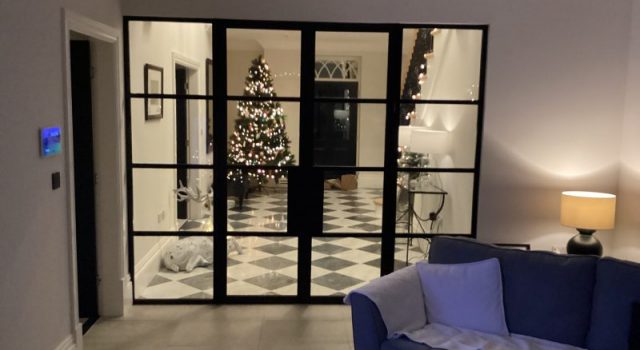
Aluminium heritage doors are modern doors designed with the visual characteristics of traditional steel or metal-framed doors. They typically feature slim profiles, strong geometric lines, large areas of glazing and distinctive panel configurations.Traditional steel doors became popular in many architectural settings because of their narrow frames and industrial appearance. Modern aluminium systems recreate this aesthetic while offering the advantages associated with contemporary manufacturing and thermally broken profiles.Unlike some conventional doors with wider frames, heritage-style aluminium doors can provide a refined appearance without compromising on structural strength. Their slim proportions help maximise the glazed area, creating a light and open feel.They can be used externally as entrances, patio doors and French doors or internally as stylish room dividers and glazed screens.The result is a door that looks classic without feeling outdated.Why Choose Aluminium Heritage Doors?
Choosing new doors is about more than appearance. Homeowners increasingly want products that complement their property while delivering reliable security, energy efficiency, durability and everyday functionality.Aluminium heritage doors combine several of these qualities in one design.1. Slim and Elegant Sightlines
One of the defining features of heritage doors is their slim appearance. Aluminium is naturally strong, allowing manufacturers to create robust frames without relying on excessively wide sections.This creates clean sightlines and a larger proportion of glass within the overall door.Slim profiles can be particularly effective where homeowners want to maximise daylight or maintain views across a garden, courtyard or living space.2. Traditional Appearance
Heritage doors are designed to capture the character of classic metal-framed doors. Grid patterns, glazing bars and symmetrical layouts can introduce an architectural quality that works particularly well with traditional and period-inspired properties.At the same time, the aluminium construction gives the door a crisp, contemporary finish.This makes aluminium heritage doors suitable for homeowners who want traditional character without installing an entirely traditional door system.3. Modern Thermal Performance
Older metal-framed doors could be associated with poor thermal insulation. Modern aluminium doors are designed very differently.Thermally broken aluminium profiles use an insulating barrier within the frame to reduce heat transfer between the internal and external sides. When combined with suitable double glazing or other high-performance glazing, the complete door can provide significantly improved thermal performance compared with older metal-framed systems.This can help create a more comfortable indoor environment and reduce unnecessary heat loss.4. Excellent Durability
Aluminium is a strong and durable material that is well suited to external doors. It does not suffer from the same swelling, rotting or warping issues associated with untreated or poorly maintained timber.With an appropriate powder-coated or specialist finish, aluminium can also provide long-lasting resistance against everyday weather exposure.This makes it an appealing option for busy entrances and frequently used doors.5. Low Maintenance
One of the major benefits of aluminium heritage doors is their relatively low maintenance requirements.Unlike traditional wooden doors, aluminium does not normally require regular painting or staining to maintain its appearance. Routine cleaning and occasional checks of the hardware, seals and moving components are generally sufficient.This allows homeowners to enjoy a traditional-inspired appearance without taking on extensive maintenance.Aluminium Heritage Doors for Period Properties
Period homes often require careful consideration when selecting new windows and doors. Replacing original architectural features with overly modern products can affect the character of the building.Aluminium heritage doors can offer a useful compromise.Their slim profiles and traditional grid designs can complement properties such as Victorian, Edwardian and other period-style homes. They can also work well in renovated industrial properties where an authentic metal-framed aesthetic is important.For listed buildings or properties located within conservation areas, homeowners should always check whether planning permission, listed building consent or other approvals are required before replacing existing doors.Where appropriate, carefully specified heritage-style doors can help retain the visual character of a property while introducing modern performance.Heritage Doors for Modern Homes
You do not need to own a period property to benefit from heritage-style doors.In contemporary homes, aluminium heritage doors can create an attractive contrast between traditional detailing and modern architecture. Their grid patterns can introduce structure and definition to large glazed openings, while slim frames maintain a clean overall appearance.They are particularly effective in:- Open-plan kitchens
- Dining areas
- Garden rooms
- Home offices
- Extensions
- Entrance hallways
- Living rooms
- Rear elevations
- Internal room dividers
Aluminium Heritage French Doors
Heritage-style French doors are a popular choice where homeowners want a classic opening onto a garden, terrace or balcony.Two opening door leaves provide a traditional appearance while allowing a generous opening when both doors are operated together.Glazing bars can be incorporated to create a traditional multi-pane aesthetic. Alternatively, larger panes can offer a cleaner interpretation of the heritage style.French doors can be particularly effective in period-inspired extensions where homeowners want the new addition to feel connected to the original property.Aluminium Heritage Entrance Doors
The front door is one of the most noticeable elements of a home’s exterior, so choosing a design that complements the architecture is important.Aluminium heritage entrance doors can combine slim framing with decorative glazing layouts, strong hardware and a choice of colours.Depending on the system, homeowners may be able to choose between different panel arrangements, glazing configurations, handles and finishes.A heritage-style entrance door can therefore create a distinctive first impression while offering the security and durability expected from a modern external door.Internal Aluminium Heritage Doors
Heritage doors are not limited to external applications.Internal aluminium heritage doors can be used to divide rooms without creating a heavy or enclosed appearance. Their glazed panels allow light to move between spaces while providing a degree of separation.For example, a glazed heritage door can separate a kitchen from a dining room while retaining visual connection between both areas.They can also work particularly well between:- Kitchens and living rooms
- Hallways and reception rooms
- Home offices and living areas
- Dining rooms and kitchens
- Utility spaces and kitchens
- Bedrooms and dressing areas
Aluminium Heritage Doors and Natural Light
Natural light is an important consideration when designing modern homes.Large areas of glazing can help brighten interiors and make rooms feel more spacious. The slim frames used in heritage-style aluminium doors help maximise the amount of visible glass.This can be especially valuable for rear entrances, extensions and rooms that connect directly with gardens.Instead of using a solid door that visually separates indoors from outdoors, a glazed heritage design can create a stronger relationship between the two spaces.Design Options for Aluminium Heritage Doors
One of the advantages of modern aluminium systems is the range of available design options.Glazing Patterns
Heritage doors can feature different glazing configurations to create the desired visual effect.Popular options include:- Single large glazed panels
- Equal-sized rectangular panes
- Horizontal divisions
- Vertical divisions
- Traditional grid arrangements
- Decorative configurations
Colour Choices
Aluminium doors can be finished in a wide selection of colours. Popular neutral shades include black, anthracite grey, white and various grey tones, while bespoke finishes can provide a more distinctive appearance.Dark colours are particularly popular for heritage designs because they reinforce the traditional steel-inspired aesthetic.However, lighter colours can create a softer look and may work well with rendered or painted façades.Hardware
Handles, hinges, locks and other hardware can make a significant difference to the final appearance.Traditional-inspired handles can reinforce the heritage character, while minimalist hardware can provide a more contemporary interpretation.Hardware should also be selected according to the intended use of the door, especially for frequently used external entrances.Double Glazing for Aluminium Heritage Doors
Modern heritage doors can be paired with high-performance double glazing to improve thermal comfort and energy efficiency.Double glazing consists of two panes of glass separated by a sealed cavity. Depending on the specification, the cavity may contain an insulating gas and the glass may feature low-emissivity coatings.When combined with thermally broken aluminium frames, suitable double glazing can help reduce heat transfer through the door.The exact performance of a finished door depends on the complete system, including the frame, glazing, seals and installation.For homeowners replacing older single-glazed metal doors, upgrading to a modern double-glazed heritage system can represent a significant improvement in comfort.Security Features
Security is an important consideration when choosing any external door.Modern aluminium heritage doors can incorporate a range of security features, depending on the selected system and specification.These may include:- Multi-point locking systems
- Strong aluminium profiles
- Laminated security glazing
- Robust hinges
- High-quality handles
- Reinforced locking areas
- Durable door hardware
Weather Resistance
External doors must cope with changing weather conditions throughout the year.Quality aluminium heritage doors are designed with weather seals and drainage features to help protect the interior from wind-driven rain and draughts.Aluminium itself is resistant to many of the problems that can affect traditional materials, while modern powder-coated finishes can provide additional protection.Correct installation remains essential. Even a high-quality door can perform poorly if the opening is incorrectly prepared or the frame is not installed and sealed correctly.Aluminium Heritage Doors vs Traditional Steel Doors
Traditional steel doors are renowned for their distinctive slim profiles and industrial character. However, they can require more maintenance and may offer lower thermal performance depending on their age and construction.Modern aluminium heritage doors are designed to reproduce many of the visual qualities of steel while providing contemporary performance.| Feature | Aluminium Heritage Doors | Traditional Steel Doors |
| Appearance | Heritage-inspired | Authentic traditional |
| Sightlines | Slim | Often very slim |
| Thermal performance | Modern systems can provide strong insulation | Depends on age and construction |
| Maintenance | Generally low | Can require more maintenance |
| Durability | High | High but may require corrosion protection |
| Design options | Wide range | Depends on system |
| Glazing | Modern double glazing available | Varies |
| Security | Modern locking systems available | Depends on specification |
Aluminium Heritage Doors vs uPVC Doors
uPVC remains a popular material for residential doors, but aluminium heritage doors offer a very different aesthetic.uPVC frames are generally wider, whereas aluminium can achieve slimmer sightlines. Heritage doors also provide distinctive grid patterns that are difficult to replicate with conventional uPVC designs.For homeowners prioritising slim profiles and architectural character, aluminium can be particularly appealing.uPVC may still be suitable where budget, conventional styling and insulation are the primary considerations.Aluminium Heritage Doors vs Timber Doors
Timber doors have a natural appearance and remain a popular choice for traditional properties. However, timber requires ongoing care to maintain its finish and protect it from weather exposure.Aluminium heritage doors can provide a similar traditional visual character while reducing maintenance requirements.They also offer greater design consistency because powder-coated finishes are manufactured to provide a uniform appearance.The decision between timber and aluminium ultimately depends on the property’s character, maintenance expectations, budget and desired performance.Are Aluminium Heritage Doors Energy Efficient?
Modern aluminium heritage doors can provide good energy performance when correctly specified.The key factors include:- Thermally broken frames – these reduce heat transfer through the aluminium profile.
- High-performance glazing – double glazing can significantly improve insulation.
- Quality seals – effective weather seals help reduce draughts and air leakage.
- Professional installation – correct fitting helps the complete door perform as intended.
Are Aluminium Heritage Doors Suitable for Extensions?
Yes. Heritage-style aluminium doors can be an excellent choice for extensions.Many homeowners want a new extension to feel contemporary while still respecting the character of the existing building. Heritage doors can bridge this gap by combining modern performance with traditional visual detailing.For example, an extension with a large glazed opening can use slim aluminium frames and traditional glazing divisions to create a sophisticated transition between old and new.They can also be paired with roof lanterns, rooflights, large windows or other glazed features to maximise natural light.Creating a Cohesive Look
For the best results, consider the relationship between your doors and other external elements.Aluminium heritage doors can be coordinated with:- Heritage aluminium windows
- Casement windows
- Sash-style windows
- Rooflights
- French doors
- Internal screens
- Aluminium bifold doors
- Contemporary glazing systems
Choosing the Right Configuration
The best aluminium heritage door configuration depends on how the space will be used.A hinged single door can be ideal for a main entrance or smaller opening. French doors can provide a wider opening to a garden, while internal screens can divide larger spaces without restricting light.Consider:- Available opening width
- Direction of opening
- Frequency of use
- Furniture positioning
- Access requirements
- Required glazing area
- Privacy
- Security
- Overall architectural style
Installation Considerations
Professional installation is an important part of achieving the expected performance from aluminium heritage doors.Before installation, the opening should be checked for dimensions, structural condition, level and suitability.The installation process may involve:- Measuring the existing opening.
- Confirming the door configuration.
- Preparing the opening.
- Positioning and securing the frame.
- Installing the door leaves and hardware.
- Fitting the glazing where required.
- Checking alignment and operation.
- Sealing the perimeter.
- Testing locks and moving components.
- Completing final adjustments.
How Much Do Aluminium Heritage Doors Cost?
The cost of aluminium heritage doors can vary considerably depending on the size, configuration, glazing, colour, hardware, manufacturer and installation requirements.Factors that can influence the overall price include:- Door dimensions
- Number of panels
- Number of opening leaves
- Glazing specification
- Thermal performance
- Hardware
- Powder-coated finish
- Bespoke colours
- Installation complexity
- Structural alterations
- Removal of existing doors
Maintaining Aluminium Heritage Doors
Aluminium heritage doors are generally straightforward to maintain.Regular cleaning can help preserve the appearance of the frames and glazing. Use appropriate non-abrasive cleaning products and avoid harsh chemicals that could damage the finish.It is also sensible to periodically check:- Door handles
- Hinges
- Locks
- Weather seals
- Drainage channels
- Glazing seals
- Frame fixings