



Choosing new windows for your home is about much more than appearance. The right windows can improve thermal comfort, reduce heat loss, help control energy consumption and create a more comfortable living environment throughout the year.
But with so many options available, what are the most energy-efficient windows for UK homes?
The answer is not simply a matter of choosing triple glazing or a particular frame material. A window’s overall energy efficiency depends on several factors, including the glazing specification, frame construction, insulation, airtightness, seals and the quality of installation.
For homeowners planning a replacement window project, extension, renovation or new-build property, understanding these factors can help you make a more informed decision.
What Makes a Window Energy Efficient?
A window’s energy efficiency is determined by how effectively the complete window system limits heat transfer between the inside and outside of a property.
Important factors include:
- Glazing specification
- Number of glass panes
- Glass coatings
- Insulating gas within the glazing cavities
- Frame material
- Thermal insulation within the frame
- Quality of seals and gaskets
- Airtightness
- Window design and construction
- Installation quality
- Overall U-value
A high-performance glazing unit installed into an inefficient frame may not deliver the same results as a complete window system designed with thermal performance in mind.
This is why homeowners should consider the whole window rather than the glass alone.
Does Triple Glazing Make a Window More Energy Efficient?
Triple glazing is one of the most effective ways to improve the thermal performance of a window.
Unlike double glazing, which contains two panes of glass and one insulating cavity, triple glazing uses three panes and two cavities. These additional layers create greater resistance to heat transfer.
Triple glazing can offer:
- Improved thermal insulation
- Reduced heat loss
- Better internal comfort
- Potentially improved acoustic insulation
- Reduced cold spots around windows
- Improved energy performance
However, triple glazing alone does not automatically make a window highly energy efficient. The frame, seals, spacers, glass specification and installation all play an important role.
For this reason, it is worth comparing complete window systems rather than focusing solely on whether they have two or three panes of glass.
Why Window Frame Insulation Matters
The frame can have a significant influence on the overall performance of a window.
Different materials and frame constructions have different thermal characteristics. Modern high-performance windows can incorporate insulated chambers and other technologies designed to reduce heat transfer through the frame.
When choosing replacement windows, look for systems where thermal performance has been considered across the entire frame and glazing assembly.
A well-insulated frame can help minimise heat loss and complement the performance of high-efficiency glazing.
Energy-Efficient uPVC Windows
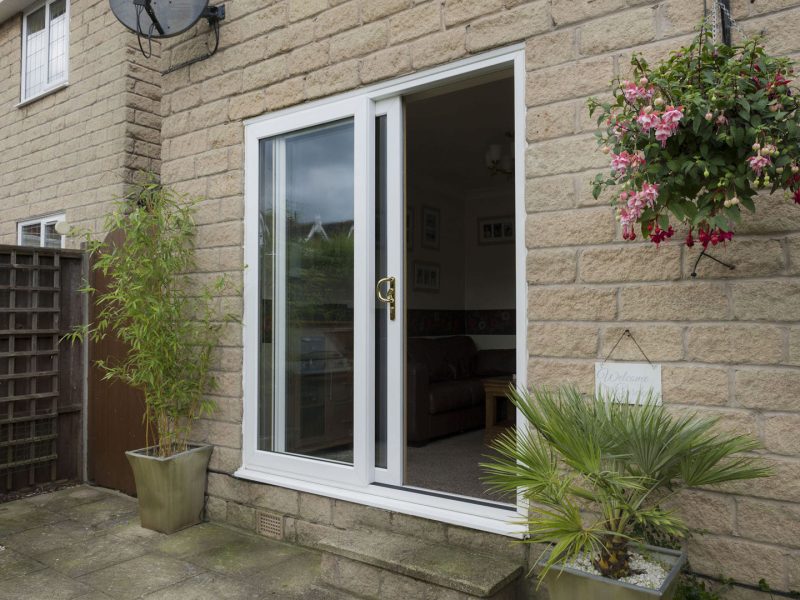
uPVC remains a popular choice for UK homeowners because it can combine thermal efficiency, durability, low maintenance and competitive pricing.
Modern uPVC windows can incorporate multi-chambered profiles designed to improve insulation. When combined with suitable double or triple glazing, they can provide strong thermal performance for a wide range of properties.
High-performance uPVC windows can be suitable for:
- Replacement window projects
- Home renovations
- Extensions
- New-build properties
- Modern homes
- Traditional properties where an appropriate style is selected
When comparing products, homeowners should look beyond the material itself and consider the window’s overall performance specification.
Energy-Efficient Aluminium Windows
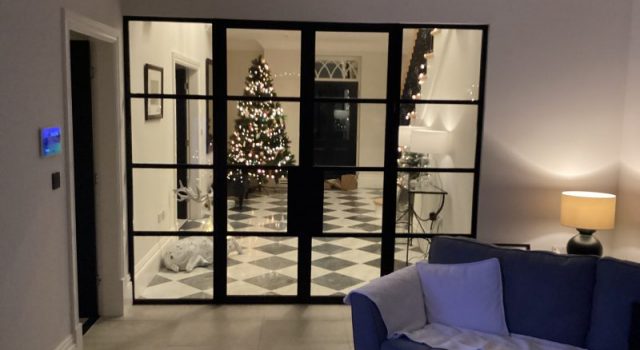
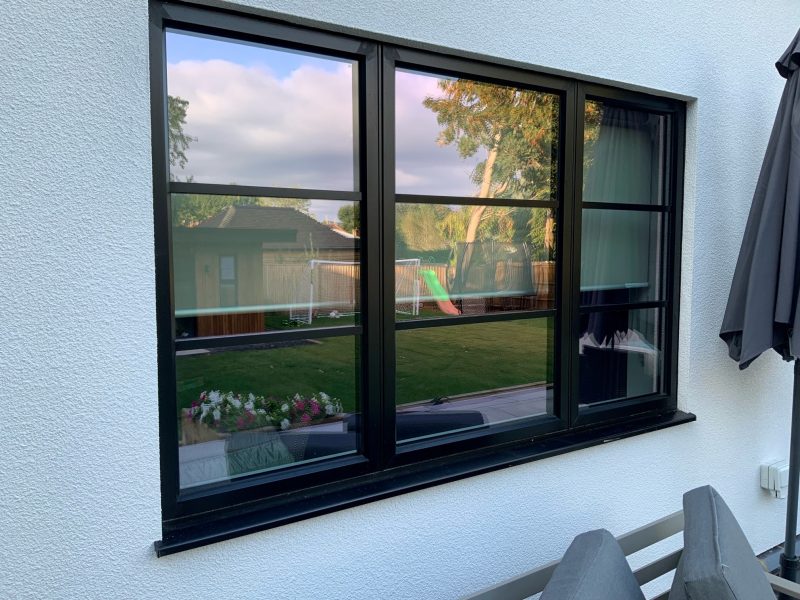
Aluminium windows have become increasingly popular in contemporary UK homes and extensions.
Although aluminium is naturally highly conductive, modern aluminium window systems can incorporate sophisticated thermal breaks to reduce heat transfer through the frame.
This means homeowners can achieve slim, modern-looking frames without necessarily compromising thermal performance.
Aluminium can be particularly suitable for:
- Modern extensions
- Large glazed openings
- Contemporary homes
- Bi-fold doors
- Sliding doors
- Large windows
- Architectural projects
The quality of the thermal-break system and overall window construction is important when comparing aluminium products.
Timber and Timber-Composite Windows
Timber windows can offer excellent thermal performance when properly designed and manufactured.
Modern timber-composite systems can combine the natural appearance of timber internally with a protective external material, helping to improve durability and reduce maintenance requirements.
These systems can be particularly attractive for homeowners looking for a combination of:
- Energy efficiency
- Natural aesthetics
- Long-term durability
- Traditional character
- Contemporary performance
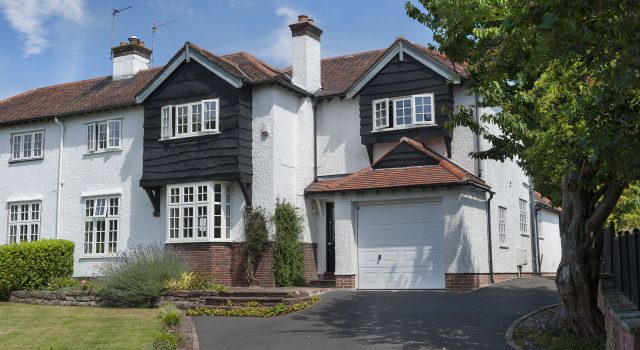
For period properties and high-quality renovation projects, timber and timber-composite windows can provide an effective balance between appearance and performance.
Double Glazing vs Triple Glazing
One of the most common questions homeowners ask is whether they should choose double or triple glazing.
Both can provide good levels of thermal insulation compared with single glazing, but triple glazing adds an additional pane and insulating cavity.
| Feature | Double Glazing | Triple Glazing |
| Number of panes | 2 | 3 |
| Insulating cavities | 1 | 2 |
| Thermal performance | Good | Generally higher |
| Heat loss | Reduced | Further reduced |
| Acoustic performance | Good | Potentially improved |
| Weight | Lower | Higher |
| Cost | Generally lower | Generally higher |
Triple glazing can be particularly worthwhile for homeowners prioritising high energy efficiency, acoustic insulation and year-round comfort.
However, the most suitable option depends on the property, existing construction, window specification and budget.
Understanding Window U-Values
When researching energy-efficient windows, you may come across the term U-value.
A U-value measures how readily heat passes through a building element. In general, a lower U-value indicates better thermal insulation.
For windows, it is important to distinguish between the performance of the glass and the performance of the complete window.
A glazing unit may have an impressive specification, but the overall window U-value also takes the frame and other components into account.
Therefore, when comparing replacement windows, ask manufacturers or suppliers for the relevant whole-window performance information rather than relying solely on the centre-pane glass specification.
Energy-Efficient Windows for New Builds and Renovations
The right window specification can vary depending on the type of project.
New-Build Homes
For a new-build property, windows can be considered alongside insulation, ventilation, heating and the overall building design from the beginning.
This makes it easier to create a coordinated approach to energy efficiency.
Home Renovations
When replacing windows in an existing property, the condition and construction of the building should be assessed.
Upgrading windows can be particularly useful where older glazing is inefficient, damaged or approaching the end of its service life.
However, windows should ideally be considered alongside other improvements such as insulation and draught reduction.
Extensions
Extensions often feature larger areas of glazing to bring more natural light into the new space.
Choosing thermally efficient windows and doors is therefore important to help maintain comfortable temperatures without compromising the design.
Can Energy-Efficient Windows Help Reduce Heating Costs?
Better-performing windows can reduce heat loss, which may help reduce the amount of energy required to maintain comfortable indoor temperatures.
However, the impact on household energy bills will vary.
Factors such as:
- Property size
- Existing insulation
- Heating system
- Window area
- Existing glazing
- Occupancy
- Indoor temperature
- Energy prices
will all influence the final result.
Energy-efficient windows should therefore be viewed as part of a wider strategy for improving the thermal performance of a property.
Energy-Efficient Windows and Home Comfort
Energy efficiency is not only about reducing energy consumption.
High-performance windows can also improve everyday comfort by helping to reduce cold areas around glazing and maintaining more consistent indoor temperatures.
Well-designed windows can also help reduce external noise, which can be particularly valuable for homes near busy roads, transport routes or urban areas.
For homeowners, the benefits can therefore extend beyond energy performance to include comfort, acoustic insulation and the overall quality of the living environment.
Choosing the Right Energy-Efficient Windows for Your Home
There is no single window type that is automatically the most energy efficient for every UK property.
Instead, look at the complete specification.
Consider:
1. Glazing
Compare double and triple glazing, glass coatings, cavity specifications and gas filling.
2. Frame
Consider the frame material and the level of thermal insulation incorporated into its construction.
3. Whole-Window U-Value
Where possible, compare the performance of the complete window rather than only the glass.
4. Seals and Airtightness
Good-quality seals help minimise unwanted air movement and contribute to overall window performance.
5. Installation
Even a high-performance window can underperform if it is poorly installed. Professional fitting is an important part of achieving the intended thermal performance.
6. Property Requirements
The best specification for a modern new build may not necessarily be the same as the most suitable choice for a period property or home renovation.
Energy-Efficient Windows from The National Window Store
For homeowners looking to improve the performance of their property, The National Window Store provides a range of windows and doors designed for UK homes.
When choosing replacement windows, it is worth looking beyond appearance and considering how the glazing, frame, seals and overall construction work together.
Whether you are replacing older windows, renovating a property, planning an extension or working on a new-build project, selecting an appropriate high-performance window system can help improve comfort and the overall energy efficiency of your home.
Make Your Windows Part of a More Energy-Efficient Home
The most energy-efficient windows are not defined by one feature alone. High-performance glazing, well-insulated frames, effective seals, suitable materials and professional installation all contribute to the final result.
Triple glazing can provide excellent thermal performance, but it is only one part of the equation. The complete window system needs to be designed and installed to perform effectively.
For UK homeowners planning a window replacement or renovation project, comparing the complete specification rather than simply choosing the cheapest or most heavily glazed option can help ensure a better long-term investment.
By choosing windows that combine thermal efficiency, quality construction, durability and appropriate design, you can create a home that is warmer, more comfortable and better prepared for long-term energy efficiency.