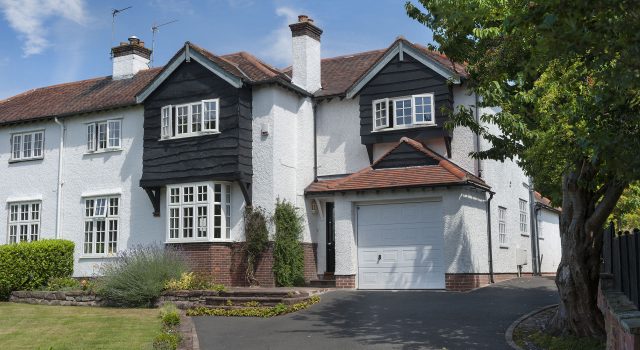
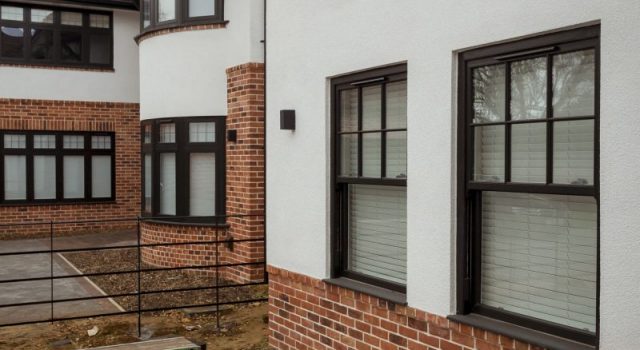



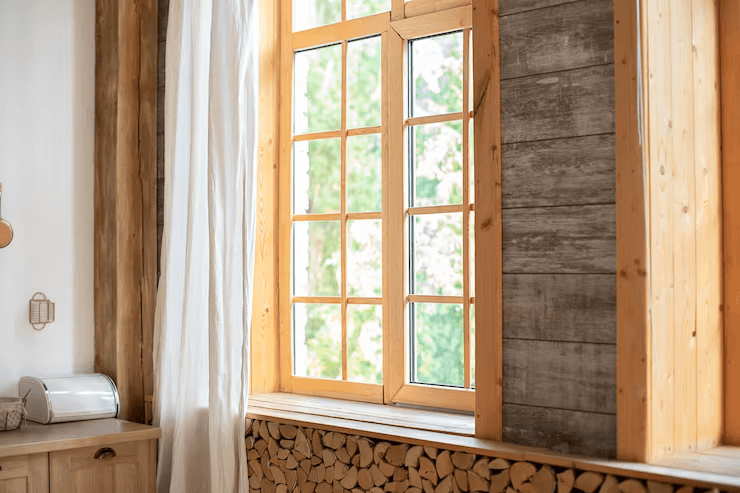
Timber windows are an important part of the character and architectural appeal of many traditional homes across the UK. From Victorian terraces and Georgian townhouses to cottages and heritage properties, original-style windows can contribute significantly to a building’s appearance and sense of history.
However, older windows can also present practical challenges. Draughts, condensation, rattling frames, single glazing and deteriorating timber can affect comfort, energy efficiency and maintenance requirements. Replacing them requires a careful balance between improving performance and respecting the character of the property.
For homeowners of period or listed properties, modern timber windows can offer a practical way to retain a traditional appearance while introducing improvements in security, weather resistance, insulation and durability.
Why Timber Windows Suit Period Properties
Timber has been used in British windows for centuries, making it a natural choice for traditional and heritage homes. Unlike some modern materials, timber can be crafted into detailed profiles and traditional designs that closely reflect the original architecture.
Depending on the property, this could include:
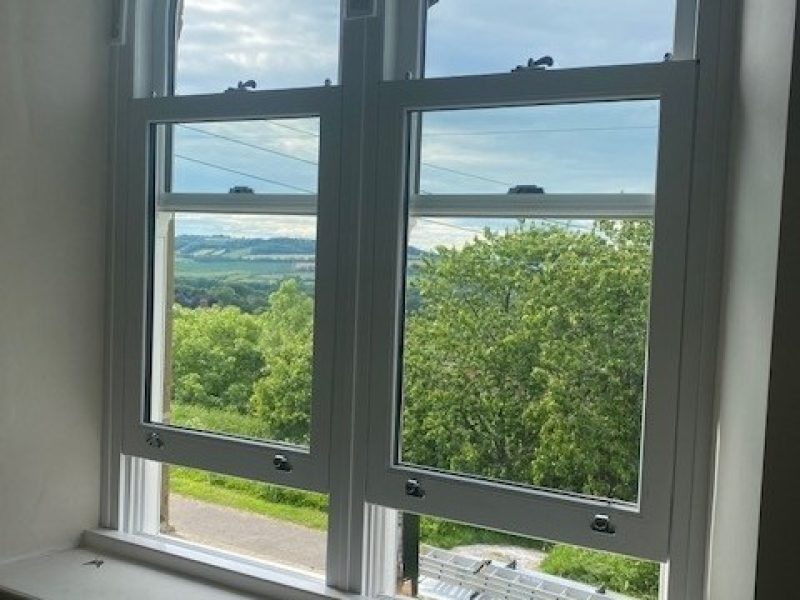
- Sliding sash windows
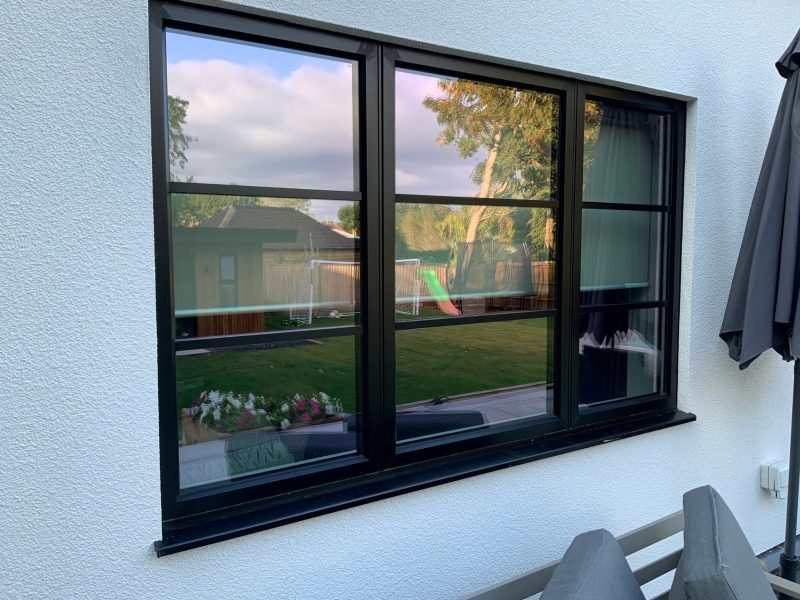
- Casement windows
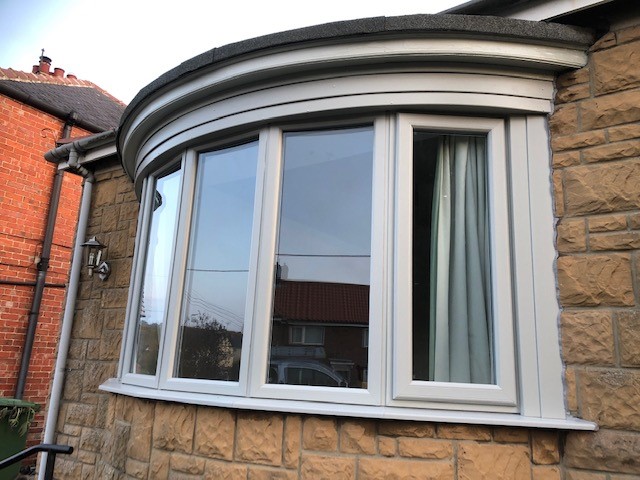
- Bay and bow windows
- Traditional flush casements
- Georgian-style windows
- Cottage-style windows
- Heritage glazing patterns
The proportions, opening styles, glazing bars and frame profiles can all influence how authentic a replacement window looks. For this reason, choosing a window based purely on its material is not enough. The design should also complement the architectural style of the building.
Preserving the Character of Your Home
When upgrading windows in an older property, maintaining its original character should be a key consideration. Even relatively small changes to window proportions, frame thickness or glazing patterns can alter the appearance of a traditional façade.
Timber offers considerable flexibility because it can be manufactured in a wide range of traditional profiles and dimensions. It can also be painted in colours that complement the existing exterior.
For homeowners seeking to modernise their property without making it look overly contemporary, traditionally styled timber windows can provide a balanced solution.
The aim should not necessarily be to make an old property look new. Instead, the objective is to improve its performance while retaining the features that make it distinctive.
Timber Windows for Listed Buildings
Listed buildings require particular care when making alterations. In many cases, replacing windows may require consent, especially where the proposed changes could affect the building’s historic or architectural significance.
The requirements can vary depending on the property, its listing and the nature of the proposed work. Homeowners should therefore check with the relevant local planning authority before committing to replacement windows.
Where replacement is permitted, traditionally designed timber windows are often well suited to heritage settings because they can replicate the appearance and proportions of existing or historically appropriate windows.
It may also be necessary to provide details such as window drawings, frame profiles, glazing specifications, opening arrangements and proposed finishes as part of the approval process.
Improving Energy Efficiency
One of the main reasons homeowners consider replacing older windows is to improve thermal performance.
Traditional single-glazed windows can allow heat to escape more readily, while draughts around poorly fitting frames can make rooms feel colder. Modern timber windows can incorporate improved glazing and weather seals to provide significantly better insulation.
Depending on the design, features can include:
- Double glazing
- Low-emissivity glass
- Improved weather seals
- Insulated glazing units
- More precise frame construction
- Improved draught-proofing
These improvements can help reduce heat loss and create a more comfortable indoor environment without requiring the property to lose its traditional appearance.
For listed properties, however, the most energy-efficient option may not always be appropriate. Planning and conservation requirements should be considered alongside thermal performance.
The Benefits of Modern Timber Construction
Contemporary timber windows are very different from many of the older windows found in period homes.
Modern manufacturing techniques allow timber frames to be accurately produced and treated to improve their resistance to moisture, movement and general wear. Properly specified and maintained windows can provide long-term performance while retaining a traditional appearance.
Modern timber windows can also offer improvements in:
Security
Traditional appearance does not have to mean outdated security. Modern locking systems and high-quality hardware can provide improved protection while being designed to suit heritage-style windows.
Weather Resistance
Effective seals, quality finishes and accurate construction can help prevent water ingress and reduce the impact of the UK’s changeable weather.
Durability
Well-maintained timber can have a long service life. Regular inspection and timely maintenance can help identify problems before they develop into more serious issues.
Appearance
Timber can be painted or finished in a variety of colours, allowing replacement windows to blend with the existing property.
Can You Keep the Original Windows?
Replacement is not always the only option. If original windows remain structurally sound, refurbishment may be worth considering.
Depending on their condition, existing timber windows may be repaired, draught-proofed, redecorated or reglazed. Damaged sections of timber can sometimes be repaired rather than replacing the complete window.
For older and historically significant properties, retaining original fabric can be particularly important. A specialist assessment can help determine whether repair, refurbishment or replacement is the most suitable approach.
The right solution will depend on the condition of the windows, the architectural significance of the property and any planning or conservation requirements.
Choosing the Right Glazing
Glazing plays an important role in the performance of timber windows. Modern glazing options can provide better thermal and acoustic performance than traditional single glazing.
However, the thickest or most advanced glazing specification is not automatically the right choice for a period property. The visual appearance of the glass, glazing bars and frame proportions can all affect the character of the building.
In some heritage settings, specialist glazing solutions may be considered where standard modern double glazing would significantly alter the appearance of the original windows.
A suitable specification should therefore consider both performance and appearance.
Matching Existing Windows
When replacing windows in a period property, consistency is important. A new window should ideally complement the existing architecture rather than appear noticeably different.
Factors worth considering include:
- Frame proportions
- Opening configuration
- Glazing bar arrangement
- Glass appearance
- Hardware style
- Paint colour
- Sill and threshold details
- Window reveals
- Relationship with surrounding brickwork or stonework
For properties with multiple window styles, each elevation may need to be considered individually.
Maintenance and Long-Term Care
Timber windows require maintenance, but regular care can help preserve their appearance and extend their lifespan.
Homeowners should periodically inspect frames and painted surfaces for signs of deterioration. Small areas of damage can often be addressed before they develop into larger problems.
Maintenance may include:
- Cleaning frames and glazing
- Checking seals and drainage
- Touching up painted surfaces
- Inspecting joints
- Addressing minor timber damage
- Checking hardware and locks
- Repainting when required
The frequency of maintenance will depend on factors such as exposure, finish, location and the quality of the original installation.
A Balance Between Tradition and Modern Living
Owning a period or listed property does not necessarily mean accepting poor insulation, draughts or outdated security.
Modern timber windows can bridge the gap between traditional design and contemporary expectations. With careful specification, homeowners can retain the proportions, materials and visual details associated with their property while benefiting from improvements in comfort, security and weather performance.
For listed and heritage buildings, the process should always begin with understanding the property itself. Planning requirements, conservation considerations and the condition of the existing windows should all be assessed before selecting a replacement or refurbishment approach.
Final Thoughts
Timber windows remain a strong choice for period and traditional properties across the UK. Their ability to replicate classic designs, complement historic architecture and accommodate modern performance improvements makes them particularly suitable for homeowners who want to protect the character of their property.
Whether you are restoring a Victorian terrace, updating a Georgian home, improving a traditional cottage or maintaining a listed building, the right approach is about finding the balance between heritage, performance and practicality.
With appropriate design, quality materials and careful installation, timber windows can help preserve the character of a property while making it more comfortable and suitable for modern living.