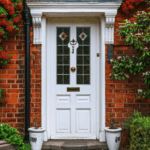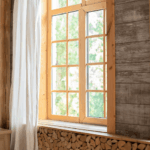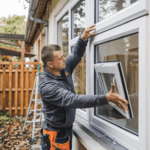



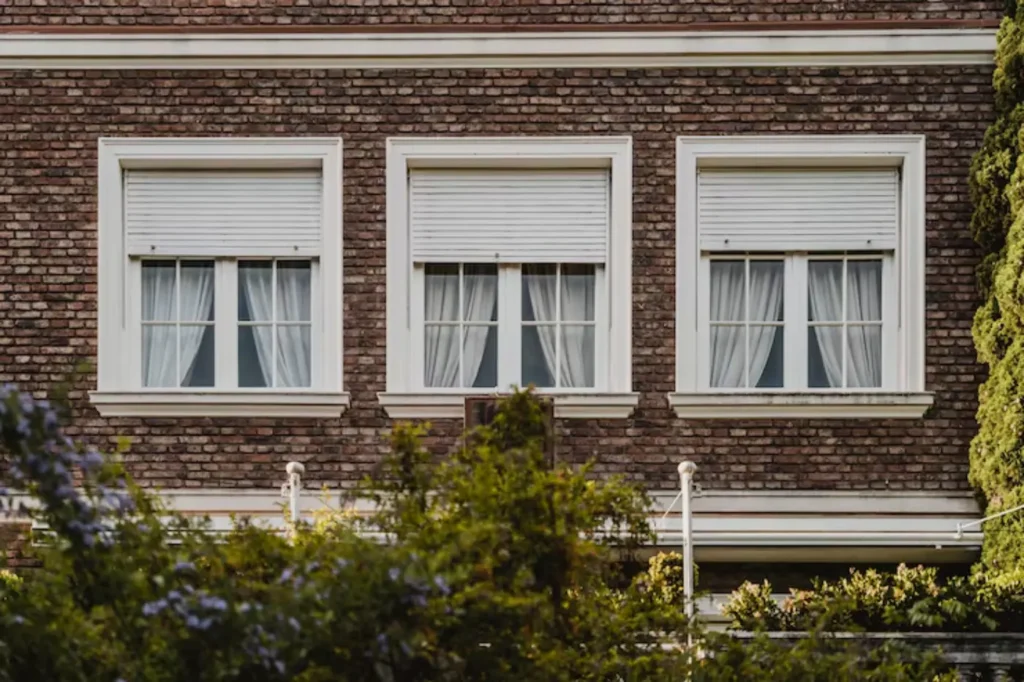
Sash windows are among the most distinctive and enduring features of British architecture. From elegant Georgian townhouses and Victorian terraces to Edwardian homes, period cottages, offices, hotels and historic commercial buildings, sash windows have helped define the character of properties across the UK for generations.
Their timeless appearance continues to make them a popular choice, but modern sash windows offer far more than traditional aesthetics. Advances in timber technology, glazing, draught-proofing and security mean that today’s sash windows can combine heritage character with the performance expected from a modern window.
Whether you are renovating a period home, upgrading a commercial property, restoring a listed building or simply considering new windows for your property, this guide covers the key aspects of sash windows — from styles and materials to glazing, maintenance, costs and planning considerations.
What Is a Sash Window?
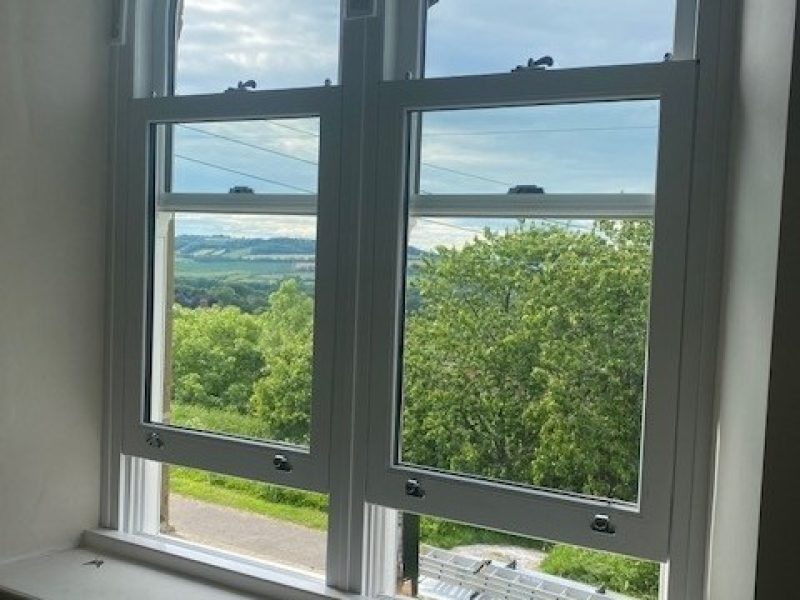
A sash window is a traditional window design featuring one or more movable panels, known as sashes, which slide vertically to open and close.
The design became particularly popular in Britain during the Georgian, Victorian and Edwardian periods and can still be seen throughout towns, cities and rural areas across the country.
Traditional sash windows were generally manufactured from timber and operated using cords, pulleys and counterweights. Modern versions can retain these traditional proportions and operating principles while incorporating improved materials, glazing and hardware.
This combination of traditional craftsmanship and modern technology allows sash windows to complement heritage properties while providing improved comfort, security and energy performance.
Different Types of Sash Windows
Sash windows are available in a range of styles. The most suitable design will depend on the age, architecture and character of the property.
Box Sash Windows
Box sash windows are one of the classic forms of sash window. They traditionally use a concealed counterweight system within the window box to allow the sashes to move smoothly.
Their authentic construction and traditional appearance make them particularly suitable for period properties, heritage buildings and projects where architectural accuracy is important.
Georgian Sash Windows
Georgian sash windows are typically associated with balanced proportions and multiple smaller panes of glass. Six-over-six configurations are particularly common, although other arrangements can be found.
Their symmetrical appearance makes them a natural choice for Georgian properties and buildings designed to reflect this architectural style.
Victorian Sash Windows
Victorian sash windows are often characterised by larger panes of glass and a simpler glazing arrangement than many Georgian designs. Two-over-two configurations are particularly recognisable, although Victorian window styles vary considerably depending on the period and location.
Edwardian Sash Windows
Edwardian architecture often favoured larger areas of glass and lighter, more open window designs. Edwardian sash windows can therefore provide a balance between traditional detailing and increased natural light.
Modern Sash Windows
Contemporary sash windows are designed to reproduce the appearance of traditional windows while incorporating modern manufacturing techniques and performance features.
Depending on the specification, these can include double glazing, improved weather seals, enhanced security hardware and more efficient thermal performance.
Sash Windows for UK Homes
Sash windows remain particularly popular in residential properties where maintaining architectural character is important.
They can complement:
- Georgian townhouses
- Victorian terraces
- Edwardian properties
- Period cottages
- Traditional detached and semi-detached homes
- Apartments and converted period buildings
- Properties in conservation areas
- Listed and heritage buildings
For older properties, carefully designed replacement sash windows can help retain the character of the building while addressing modern requirements for comfort, security and insulation.
They can also be used in newer properties where homeowners want to introduce traditional architectural detailing.
Sash Windows for Commercial Properties
Sash windows can also play an important role in commercial and mixed-use buildings.
They may be suitable for:
- Offices
- Hotels and guesthouses
- Restaurants and cafés
- Shops and retail premises
- Professional practices
- Period commercial buildings
- Mixed-use developments
- Heritage and public buildings
For commercial properties, windows can influence more than just appearance. Natural light, ventilation, thermal performance, acoustic insulation and security can all contribute to the comfort and functionality of a building.
Where a commercial property occupies a historic or period building, appropriately designed sash windows can help preserve its architectural identity while supporting modern business requirements.
Why Choose Sash Windows?
The popularity of sash windows comes from their ability to combine traditional character with practical performance.
Timeless Architectural Appeal
Few window styles have the same visual connection with British architecture as sash windows. Their proportions, glazing patterns and vertical sliding mechanism can complement a wide range of traditional buildings.
Improved Energy Performance
Older sash windows can suffer from draughts and heat loss. Modern replacement windows can incorporate improved seals and energy-efficient glazing to help reduce heat loss and create a more comfortable indoor environment.
Flexible Ventilation
The sliding design allows the window to be opened in different positions, providing flexibility when ventilating a room or commercial space.
Noise Reduction
The right glazing specification can help reduce external noise, which can be particularly beneficial for properties located near busy roads, town centres or other sources of environmental noise.
Enhanced Security
Modern sash windows can be fitted with a range of security features, including improved locks, restrictors and security glazing.
Long-Term Property Appeal
Well-designed sash windows can enhance the appearance of a property and complement its architectural style. For period buildings, retaining appropriate traditional features can be particularly valuable when maintaining the overall character of the property.
Choosing the Right Material
The material used to manufacture a sash window has an important impact on its appearance, durability, maintenance and performance.
Timber Sash Windows
Timber remains a popular choice for traditional sash windows, particularly for period and heritage properties.
High-quality timber can be shaped into authentic profiles and detailing, allowing new windows to closely reflect the appearance of original designs.
Different timber species and engineered timber products can be selected depending on the project’s requirements, exposure, finish and budget.
uPVC Sash Windows
uPVC sash windows offer a lower-maintenance alternative and are available in designs intended to reproduce the appearance of traditional sash windows.
However, the suitability of uPVC can depend on the property and its planning requirements. For listed buildings and properties in conservation areas, traditional materials may be preferred or required.
Other Modern Materials
Some sash window systems use alternative materials or composite construction to achieve particular levels of durability, thermal performance and design flexibility.
The right choice ultimately depends on the building, planning considerations, performance requirements and budget.
Glass and Glazing Options
Glazing plays an important role in the overall performance of a sash window.
Modern options include:
- Double glazing for improved thermal insulation
- Acoustic glazing for reducing external noise
- Toughened glass for enhanced safety
- Laminated glass for additional security and acoustic benefits
- Obscure glass where privacy is required
- Decorative glass for traditional or bespoke aesthetics
- Slim-profile glazing where maintaining traditional window proportions is important
For period properties, the glazing specification should be carefully considered alongside the appearance of the original windows. In some cases, slimline glazing can provide modern performance while helping to preserve traditional sightlines and proportions.
Sash Windows in Conservation Areas and Listed Buildings
Replacing windows in a conservation area or listed building requires careful consideration.
Planning and heritage requirements can vary between properties and local authorities. Depending on the circumstances, planning permission or listed building consent may be required before work begins.
For heritage properties, the objective is often to retain or accurately reproduce important architectural features.
These may include:
- Original glazing patterns
- Timber profiles
- Glazing bars
- Sash proportions
- Horn details
- Sills and surrounding trims
- Traditional opening configurations
Before starting a replacement project, it is advisable to establish what permissions and requirements apply to the property.
A specialist survey can also help determine whether the existing windows should be repaired, refurbished or replaced.
How Are Sash Windows Installed?
A professional sash window installation typically involves several stages.
1. Survey and Assessment
The existing windows, openings, surrounding structure and architectural details are assessed. This helps determine the appropriate window design and specification.
2. Preparation
The work area is carefully prepared and protected before the existing windows are removed, where replacement is required.
3. Installation
The new sash windows are accurately fitted, aligned and secured to ensure smooth operation and a suitable weather-tight fit.
4. Finishing
Sills, architraves, trims and other surrounding details are completed to complement the property.
5. Glazing and Sealing
The chosen glazing is installed and the appropriate seals, draught-proofing and finishing treatments are applied.
6. Final Inspection
The completed windows are checked to ensure that they operate correctly and meet the required standards for appearance, security and finish.
For occupied homes and commercial premises, careful project planning can also help reduce disruption during installation.
Maintaining Sash Windows
Like any part of a property, sash windows benefit from regular maintenance.
Depending on the material and specification, maintenance may include:
- Cleaning the glass and frames
- Checking paintwork and finishes
- Inspecting seals and weatherproofing
- Checking cords, balances and hardware
- Lubricating moving components where appropriate
- Repairing damaged timber or finishes
- Repainting exposed timber when required
Good maintenance can help protect the window from weather exposure and prolong its useful service life.
One of the advantages of traditional timber sash windows is that individual components can often be repaired or replaced rather than replacing the entire window.
How Long Do Sash Windows Last?
The lifespan of a sash window depends on several factors, including the quality of materials, manufacturing, installation, exposure to the elements and level of maintenance.
A well-made timber sash window that is properly installed and maintained can provide many years of service. Components such as hardware, seals, cords and finishes can often be repaired or renewed as necessary.
This means that when comparing sash windows, it is worth considering their expected lifespan and maintenance requirements rather than focusing solely on the initial purchase price.
How Much Do Sash Windows Cost in the UK?
The cost of sash windows varies considerably depending on the requirements of each project.
Factors that can influence the price include:
- Number and size of windows
- Choice of material
- Type of timber
- Single or double glazing
- Glass specification
- Bespoke architectural detailing
- Paint or finish
- Hardware and security features
- Removal of existing windows
- Installation requirements
- Property access
- Planning or conservation requirements
- Any necessary structural or surrounding repairs
Large residential projects and commercial developments may also benefit from project-specific pricing based on the number and specification of windows required.
For an accurate budget, it is generally best to arrange a property survey and obtain a detailed quotation based on the specific requirements of the project.
Should You Repair or Replace Your Sash Windows?
Replacing an old sash window is not always necessary.
In many cases, existing timber sash windows can be repaired or refurbished. Depending on their condition, work may include repairing timber, restoring the sash mechanism, replacing damaged components, improving draught-proofing or upgrading the glazing.
Replacement may be more appropriate where the existing windows have extensive deterioration, are beyond economical repair or no longer meet the property’s requirements.
For listed and heritage buildings, repairing and retaining original windows may be particularly important, so a professional assessment should be carried out before deciding on replacement.
How to Choose the Right Sash Windows
Selecting sash windows involves more than simply choosing a style.
Before making a decision, consider:
- The age and architectural style of the property
- Whether the building is listed or within a conservation area
- Thermal performance requirements
- Noise and acoustic requirements
- Security requirements
- Choice of material
- Glazing specification
- Maintenance requirements
- Project budget
- Installation and planning requirements
For commercial properties, additional considerations may include operational requirements, accessibility, customer experience, working hours and potential disruption during installation.
Frequently Asked Questions About Sash Windows
What is the difference between sash and casement windows?
Sash windows generally open by sliding vertically, whereas casement windows are typically hinged and open outwards.
Can sash windows be double glazed?
Yes. Modern sash windows can be manufactured with double glazing and slim-profile glazing can be considered where traditional proportions need to be maintained.
Are sash windows secure?
Modern sash windows can incorporate security features such as high-quality locks, restrictors and laminated or toughened glazing. The overall level of security depends on the window specification and installation.
Are sash windows energy efficient?
Modern sash windows can offer good thermal performance when combined with suitable glazing, effective draught-proofing and properly sealed frames. The performance of an individual window will depend on its design and specification.
Can sash windows be installed in a conservation area?
They can be, but requirements vary. Certain properties may require planning permission or other approvals before replacement windows are installed. Local planning requirements should always be checked before work begins.
Are sash windows suitable for commercial properties?
Yes. They can be used in offices, hotels, restaurants, retail premises, mixed-use developments and other commercial buildings, particularly where traditional architectural character is important.
Should old sash windows be repaired or replaced?
It depends on their condition and the requirements of the building. Many original timber sash windows can be repaired and upgraded, while severely deteriorated windows may be more suitable for replacement.
Final Thoughts
Sash windows have remained a defining feature of British architecture because they combine distinctive design with practical functionality.
Today, modern sash windows can provide the visual character associated with traditional British buildings while incorporating contemporary glazing, security, insulation and draught-proofing technologies.
Whether you are improving a family home, refurbishing a period apartment, upgrading a commercial property or restoring a listed building, the right sash window can enhance both the appearance and performance of the property.
The most suitable choice will depend on the building’s architecture, planning requirements, intended use, budget and desired performance. With careful specification, professional installation and appropriate maintenance, sash windows can remain a valuable and attractive feature of UK properties for many years.
If this is for a company website, I can also make it more SEO/Google-friendly without making it sound keyword-stuffed, including a stronger meta title, meta description, h4/h5 structure, UK-specific keywords and natural internal-link opportunities.