





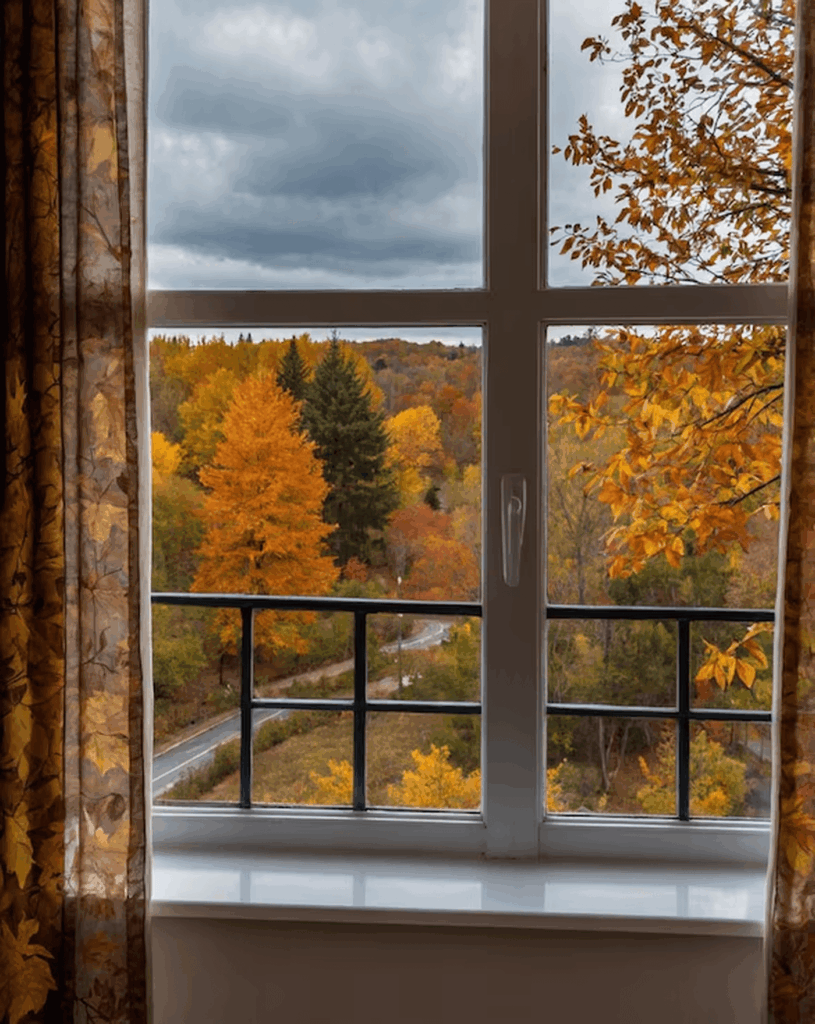
As summer comes to an end and the UK’s wetter, colder weather approaches, autumn is the ideal time to check the condition of your timber windows and doors. Regular maintenance can help protect them from rain, moisture, changing temperatures and winter weather while keeping them looking their best.
Timber windows and doors can provide excellent durability and timeless character when properly maintained. However, because natural timber responds to changes in moisture and temperature, seasonal care is particularly important.
From cleaning and checking the finish to identifying early signs of deterioration, this guide explains how to prepare timber windows and doors for autumn and winter.
Why Autumn Is the Right Time to Maintain Timber Windows and Doors
Autumn provides a useful maintenance window before the colder and wetter months arrive.
During summer, windows and doors are exposed to sunlight, heat and fluctuating temperatures. Once autumn arrives, increased rainfall, damp conditions and cooler temperatures can place additional demands on external joinery.
Carrying out basic maintenance in autumn can help you:
- Identify minor problems before winter
- Protect exposed timber from moisture
- Maintain paint or stain finishes
- Check seals and weatherproofing
- Improve draught resistance
- Keep windows and doors operating smoothly
- Reduce the risk of moisture-related deterioration
- Extend the service life of your windows and doors
A few simple checks can make a significant difference to the long-term condition of timber joinery.
1. Clean Timber Windows and Doors
One of the easiest autumn maintenance tasks is cleaning.
Dirt, dust, leaves and other debris can accumulate around frames, sills, thresholds and moving parts. If left in place, this can retain moisture and contribute to deterioration over time.
Use a soft cloth or sponge with warm water and a mild cleaning solution. Avoid harsh chemicals or abrasive materials that could damage the protective finish.
Pay particular attention to:
- Window frames
- Door frames
- Sills
- Thresholds
- Glazing bars
- External mouldings
- Corners and joints
Allow surfaces to dry properly after cleaning.
2. Inspect the Timber for Signs of Damage
Once the surfaces are clean, inspect the timber carefully.
Look for signs such as:
- Cracking
- Peeling paint
- Flaking finishes
- Discolouration
- Soft or damaged areas
- Splits around joints
- Water staining
- Localised deterioration
Small areas of damage can often be addressed more easily than extensive deterioration, so early identification is important.
If timber feels unusually soft or shows significant deterioration, arrange a professional assessment.
3. Check the Paint or Protective Finish
The external finish provides an important layer of protection against moisture and weather exposure.
Look closely for:
- Peeling paint
- Blistering
- Cracking
- Bare timber
- Faded areas
- Flaking around joints and corners
If the finish is beginning to fail, it may need preparation and redecoration before winter weather becomes more severe.
Do not simply paint over deteriorated areas. The surface should generally be properly prepared so that the new finish can adhere effectively and provide suitable protection.
4. Inspect Window and Door Seals
Weather seals help reduce draughts and limit water penetration around windows and doors.
Check seals for:
- Cracking
- Gaps
- Shrinkage
- Brittleness
- Detachment
- Visible deterioration
Damaged seals can reduce weather resistance and may contribute to draughts or water ingress.
If seals appear worn, replacing them may be a relatively straightforward way to improve the performance of existing windows and doors.
5. Check That Windows and Doors Open Smoothly
Changes in temperature and moisture can cause timber to expand or contract slightly.
Before winter, check that your windows and doors:
- Open and close correctly
- Lock securely
- Do not stick excessively
- Sit correctly within their frames
- Do not require excessive force to operate
A small amount of seasonal movement can be normal. However, significant sticking or difficulty closing a window or door may indicate an underlying issue that should be investigated.
Avoid repeatedly forcing a sticking window or door, as this could damage the frame, hardware or locking mechanism.
6. Lubricate Hinges, Locks and Moving Parts
Autumn is also a good opportunity to check the hardware.
Depending on the type of window or door, this may include:
- Hinges
- Locks
- Handles
- Espagnolette mechanisms
- Sash components
- Restrictors
- Other moving hardware
If appropriate for the specific hardware, use a suitable lubricant and operate the mechanism several times to distribute it.
If a lock or mechanism remains difficult to operate, professional adjustment or repair may be preferable to forcing it.
7. Keep Window and Door Drainage Clear
Many modern windows and doors incorporate drainage routes designed to direct water away from vulnerable areas.
Leaves and debris can accumulate around drainage openings, particularly during autumn.
Check for visible blockages and remove loose debris carefully.
Keeping drainage routes clear helps rainwater move away from the frame rather than allowing it to collect around joints or sills.
8. Clear Leaves and Debris Regularly
Autumn leaves can quickly build up around windows and doors.
Pay attention to:
- Window sills
- Door thresholds
- Patio door tracks
- Drainage channels
- Gutters above windows
- Areas around external frames
Regular removal is particularly important after windy weather when leaves, twigs and other debris can accumulate quickly.
9. Check for Draughts Before Winter
If your home feels colder around windows and doors, autumn is a good time to investigate potential draughts.
Common causes can include:
- Worn weather seals
- Gaps around frames
- Poorly fitted components
- Deteriorated putty
- Gaps around opening sections
- Damaged or poorly maintained joinery
Improving draught resistance can make rooms feel more comfortable during colder weather.
However, avoid sealing ventilation routes that are intentionally designed into a window or property. If you are unsure whether a gap is a defect or part of the design, seek professional advice.
10. Look for Signs of Moisture or Condensation
Condensation can occur when warm, moist indoor air meets a colder surface.
Some condensation can be normal, particularly during colder weather, but persistent moisture around timber windows and doors should be investigated.
Look for:
- Regular moisture on frames
- Water collecting on sills
- Black spotting or mould
- Damp timber
- Peeling finishes
- Persistent musty smells
Good ventilation can help manage indoor humidity, while any suspected water ingress should be investigated separately.
11. Inspect Around the Window and Door Frames
The condition of the surrounding areas is just as important as the joinery itself.
Check for:
- Cracked sealant
- Gaps around frames
- Damp patches
- Damaged masonry
- Peeling paint
- Water staining
- Deteriorated pointing
Problems around the opening can allow water to reach the frame and surrounding structure.
If you notice recurring dampness around a window or door, it is worth identifying the cause rather than simply covering the affected area.
12. Pay Particular Attention to Timber Doors
External timber doors can receive considerable exposure to rain and changing weather conditions.
Inspect the:
- Door leaf
- Frame
- Threshold
- Bottom edge
- Hinges
- Locks
- Weather seals
- Glazing
- Paint or protective finish
The bottom of an external door can be particularly vulnerable to moisture because it is close to ground level and may be exposed to splashback.
Make sure water can drain away from the threshold and that nearby drainage is not obstructed.
13. Check Timber Windows on the Weather-Exposed Side of Your Home
Not every window is exposed to the same conditions.
Windows and doors facing prevailing weather may experience greater exposure to wind-driven rain. Areas that receive limited sunlight may also dry more slowly after rainfall.
Give additional attention to joinery that:
- Receives frequent rain
- Is exposed to strong winds
- Is beneath overhanging trees
- Is close to the ground
- Is shaded for much of the day
These areas may require more frequent inspection and maintenance.
Timber Window Maintenance: Repair or Replace?
Finding a maintenance issue does not automatically mean the entire window needs replacing.
Depending on its condition, a timber window may benefit from:
- Cleaning
- Redecoration
- Seal replacement
- Hardware adjustment
- Minor timber repairs
- Glazing repairs
- Draught-proofing
- More extensive restoration
Replacement may be appropriate where components are severely deteriorated, structurally compromised or no longer suitable for the property.
A professional assessment can help determine the most appropriate option.
How Often Should Timber Windows and Doors Be Maintained?
The required maintenance schedule depends on factors such as:
- Timber type
- Quality of the original finish
- Exposure to weather
- Orientation of the property
- Local environmental conditions
- Age of the windows or doors
- Quality of previous maintenance
Rather than waiting until visible deterioration becomes significant, inspect timber windows and doors regularly and address minor issues promptly.
Autumn is particularly useful as a seasonal maintenance checkpoint before winter.
How to Protect Timber Windows and Doors During Winter
Once your autumn maintenance is complete, continue checking your windows and doors during periods of particularly wet or windy weather.
After severe weather, look for:
- Water ingress
- Loose components
- Damaged seals
- Cracked finishes
- Blocked drainage
- Fallen branches or debris
Keeping gutters and nearby drainage systems clear can also help reduce the amount of water reaching windows and doors.
A Simple Autumn Timber Window and Door Checklist
Before winter arrives, work through the following checklist:
- Clean frames, sills and thresholds
- Inspect timber for cracks or deterioration
- Check paint or protective finishes
- Examine weather seals
- Test handles and locks
- Lubricate appropriate moving parts
- Clear drainage channels and openings
- Remove leaves and debris
- Check for draughts
- Look for signs of condensation or damp
- Inspect surrounding masonry and sealant
- Check external timber doors carefully
- Address minor repairs promptly
- Arrange professional maintenance where necessary
Frequently Asked Questions
How do you prepare timber windows for winter?
Clean the frames, inspect the timber and protective finish, check seals and hardware, clear drainage points and look for signs of damp or water ingress. Any deterioration should be addressed before prolonged winter exposure.
Should timber windows be painted before winter?
If the existing protective finish is deteriorating, autumn can be a suitable time for preparation and redecoration, provided weather conditions are appropriate and the manufacturer’s recommendations are followed.
Why do timber windows stick in autumn?
Changes in moisture and temperature can cause natural timber movement, which may result in windows becoming more difficult to operate. Persistent or severe sticking should be professionally assessed.
How can I stop draughts around timber windows?
Check weather seals, joints and the condition of the frame. Draught-proofing measures may improve comfort, but the appropriate solution depends on the design and condition of the window.
How can I prevent timber doors from absorbing moisture?
Maintaining the external protective finish, keeping drainage clear and addressing damaged areas promptly can help protect timber doors from excessive moisture exposure.
Can old timber windows be restored?
In many cases, existing timber windows can be repaired, maintained or restored rather than immediately replaced. The appropriate option depends on their condition, construction and the extent of any deterioration.
Keep Your Timber Windows and Doors Ready for Winter
Autumn maintenance is about prevention. By taking the time to clean, inspect and maintain your timber windows and doors before the UK’s colder and wetter months arrive, you can identify small issues before they develop into more significant problems.
Regular care can help preserve the appearance, functionality and weather resistance of timber joinery for years to come.
Whether your property has traditional timber windows, modern timber frames or external timber doors, a seasonal inspection is a simple way to prepare your home for the months ahead.