


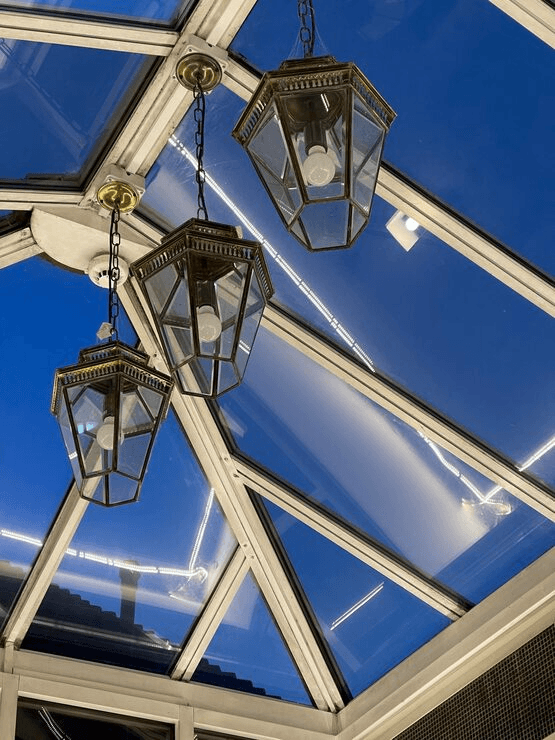
A roof lantern can completely transform the atmosphere of a room. By introducing glazing above your living space, it allows natural daylight to enter from above, creating a brighter, more open and welcoming interior.
Roof lanterns are particularly popular for kitchen extensions, dining areas, open-plan living spaces and rear extensions across the UK. However, choosing the right design involves more than simply selecting the largest glazed structure available. Factors such as size, glazing, thermal performance, orientation, ventilation, planning requirements and installation all need to be considered.
This guide explains what UK homeowners should know before investing in a roof lantern and how to choose an option that suits both the property and the space below.
What Is a Roof Lantern?
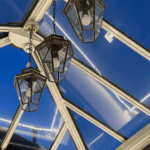
A roof lantern is a raised glazed structure installed above a flat or low-pitched roof. Unlike a standard rooflight, which generally sits relatively flush with the roof, a lantern projects upwards and typically features multiple glazed panels arranged around a raised ridge.
This design allows daylight to enter from different angles throughout the day. It can also create an architectural focal point, adding height and visual interest to an extension.
Modern roof lanterns are available in a variety of styles, sizes, frame materials and glazing configurations, making it possible to find designs suitable for both traditional and contemporary properties.
Why Choose a Roof Lantern?
One of the biggest advantages of a roof lantern is the amount of natural light it can introduce.
When an extension has limited wall space for windows or doors, overhead glazing can help prevent the room from feeling dark or enclosed. Daylight entering from above can make the space appear larger and more connected to the outdoors.
Other potential benefits include:
- Increased natural daylight
- A brighter and more inviting living environment
- A stronger architectural feature
- Greater sense of height within an extension
- Improved connection between indoor and outdoor spaces
- Potential to enhance the appearance and appeal of a property
For open-plan kitchens and living areas, a well-positioned roof lantern can help create a central feature around which the rest of the room is designed.
Roof Lantern vs Rooflight: What’s the Difference?
Although the terms are sometimes used interchangeably, roof lanterns and rooflights are not exactly the same.
A conventional rooflight is generally installed within the plane of a roof. It can be flat, pitched or slightly raised, depending on the design.
A roof lantern, on the other hand, is elevated above the roof surface. Its raised structure creates additional visual height and allows glazing to be positioned on multiple slopes.
The best option depends on the style of your property, the roof design, the amount of daylight required and the appearance you want to achieve.
Choosing the Right Roof Lantern Size
Size is one of the most important decisions when planning a roof lantern.
A larger lantern will generally allow more daylight into the room, but bigger is not automatically better. The proportions should complement the extension and the roof area rather than overwhelming the space.
When deciding on dimensions, consider:
The Size of the Room
A small lantern can be sufficient for a compact extension, while a larger open-plan kitchen or living space may benefit from a more substantial glazed feature.
The Roof Area
The lantern should be appropriately proportioned to the available roof structure. Structural requirements may also influence the maximum practical size.
The Amount of Daylight Required
Think about where natural light is currently lacking. A carefully positioned lantern can brighten areas that may otherwise remain shaded.
The Overall Design
The lantern should complement the architecture of the property. Slim, minimalist frames may suit contemporary extensions, while more traditional detailing can work well with period homes.
Choosing Roof Lantern Glazing
Glazing plays an important role in the performance of a roof lantern.
Modern roof lanterns can be specified with high-performance glazing designed to balance natural light, thermal efficiency and comfort.
When comparing options, consider:
Thermal Performance
A roof lantern forms part of the building envelope, so its thermal performance needs careful consideration. Building Regulations include requirements relating to heat loss and energy efficiency and roof glazing should be specified accordingly.
Ask the installer or manufacturer for the relevant U-value information for the complete roof lantern system rather than considering the glass alone.
Solar Control
Large areas of glazing can allow significant solar heat into a room, particularly during warmer weather. Solar-control glazing can help manage unwanted heat gain while still allowing plenty of daylight into the space.
Safety
Glazing positioned overhead needs to be selected and installed with safety in mind. Your installer should ensure that the specification meets the relevant Building Regulations and safety requirements for the project.
Double or Triple Glazing
Depending on the system and project requirements, double or triple glazing may be available. The right choice will depend on the design, thermal objectives, budget and overall specification of the extension.
Consider Ventilation and Overheating
A room filled with natural light can be pleasant, but extensive glazing needs to be designed carefully.
During summer, solar gain can cause rooms with large glazed areas to become uncomfortably warm. Orientation, glazing specification, shading and ventilation should therefore be considered at the design stage.
Opening roof vents, windows, doors, blinds or other shading solutions can all contribute to a more comfortable internal environment.
A good roof lantern design should provide daylight without creating unnecessary overheating problems.
Does a Roof Lantern Need Planning Permission in the UK?
Planning requirements depend on the type of project, property and location.
Certain roof alterations may fall under permitted development rights in England, subject to specific conditions and limitations. Planning Portal guidance confirms that permitted development rights can cover certain roof alterations, including rooflights, but the precise rules depend on the circumstances.
A roof lantern installed as part of an extension may therefore need to be considered as part of the wider extension project rather than as an isolated roof alteration.
Properties in conservation areas, listed buildings or other areas with additional planning controls may also be subject to different requirements.
Before work begins, check with your local planning authority or obtain professional advice to establish whether planning permission is required.
What About Building Regulations?
Planning permission and Building Regulations are separate matters. You may need to comply with Building Regulations even when planning permission is not required.
Installing a rooflight or roof lantern can affect the structure of the roof, so structural considerations are important. The opening may require suitable support, while the installation must also address weatherproofing, insulation and other relevant requirements.
Your project may need to consider areas such as:
- Structural stability
- Thermal performance
- Weatherproofing
- Ventilation
- Fire safety
- Glazing safety
- Overheating
- Drainage and water management
A suitably experienced contractor should be able to explain which requirements apply to your particular project.
Roof Lantern Materials and Frame Styles
Roof lanterns are available in different frame materials and finishes.
Aluminium
Aluminium is a popular choice for contemporary homes because it can provide slim sightlines and a clean appearance. Modern aluminium systems can also offer strong structural performance while keeping the visible framing relatively minimal.
uPVC
uPVC roof lantern systems can offer a practical and often cost-effective option. They are available in different finishes and can suit a range of residential projects.
Timber
Timber can be particularly attractive where a more traditional or characterful appearance is required. It can complement period properties and homes where natural materials are an important part of the design.
The ideal material depends on your architectural style, maintenance preferences, budget and desired appearance.
Think About the Position of Your Roof Lantern
Position can have a major influence on how effective a roof lantern is.
Consider how sunlight moves across the property throughout the day. A lantern positioned over a central dining or seating area can become a natural focal point, while one placed over a darker part of an extension may help distribute daylight into an otherwise shaded area.
It is also worth considering views from upstairs windows and neighbouring properties before finalising the design.
How to Keep a Roof Lantern Looking Its Best
Like other glazed elements of a property, roof lanterns benefit from regular maintenance.
Keep the glazing and frames clean, particularly in areas exposed to pollution, dust, leaves and bird deposits. Check drainage channels and surrounding roof areas periodically to ensure debris is not accumulating.
It is also sensible to inspect seals, flashings and joints from time to time. Early identification of deterioration can help prevent more significant problems such as water ingress.
Always follow the manufacturer’s cleaning and maintenance recommendations.
Common Roof Lantern Mistakes to Avoid
A roof lantern can be a major investment, so careful planning is worthwhile.
Some common mistakes include:
Choosing Based Only on Appearance
A beautiful design is important, but thermal performance, structural requirements and glazing specification are equally significant.
Installing an Oversized Lantern
A very large lantern may look impressive but could dominate a smaller room or create excessive solar gain.
Ignoring Ventilation
Large glazed areas can contribute to overheating if ventilation and shading are not considered from the beginning.
Failing to Check Regulations
Don’t assume that a roof lantern automatically falls outside planning or Building Regulations. Requirements depend on the circumstances of the project.
Using an Inexperienced Installer
Correct installation is essential for structural integrity, weatherproofing and long-term performance. Choose an installer with experience in roof lanterns and glazed roof systems.
Is a Roof Lantern Worth It?
For many UK homeowners, a roof lantern can be an excellent way to transform an extension or living area.
It can introduce substantial natural light, add architectural character and create a stronger sense of space. However, achieving the best result requires careful consideration of size, glazing, structure, ventilation, thermal performance and installation.
The key is to treat the roof lantern as part of the overall design rather than simply an additional window.
Final Thoughts
A well-designed roof lantern can become one of the defining features of a modern extension. Whether you’re creating a bright kitchen, a spacious dining area or a comfortable open-plan living space, overhead glazing can dramatically change how the room looks and feels.
Before making a decision, consider the property’s architecture, the size and orientation of the extension, glazing performance, ventilation, planning requirements and Building Regulations.
With the right design and professional installation, a roof lantern can provide a long-lasting combination of natural light, style and functionality, helping you make the most of your living space.