



Replacing your windows and doors is one of the most worthwhile home improvements you can make. From improving energy efficiency and reducing draughts to enhancing security, comfort and curb appeal, new windows and doors can make a noticeable difference to how your home looks and performs.
However, if you have never arranged a window and door installation, you may have questions about the process. How long will it take? Will there be much disruption? Which glazing option should you choose? Do you need planning permission? And how can you make sure you are investing in the right products for your home?
Understanding the window replacement process before work begins can make the experience much easier. This guide explains what UK homeowners can expect when replacing windows and doors, from the initial quotation and survey through to installation and aftercare.
Why Replace Your Windows and Doors?
Windows and external doors play an important role in the overall performance of your property. Older or poorly performing installations can contribute to draughts, heat loss, condensation and higher energy use, while outdated frames and hardware may also compromise security and appearance.
Modern windows and doors can help improve:
- Energy efficiency and thermal performance
- Home security
- Noise reduction
- Indoor comfort
- Kerb appeal
- Weather resistance
- Long-term property value
Whether you are replacing a single window or planning a complete window and door replacement, choosing the right products and installer is essential.
The Window and Door Replacement Process Explained
Every property is different, but a professional window installation UK project will generally follow several key stages. Knowing what happens at each stage helps you prepare your home and understand what to expect.
Initial Enquiry and Window Replacement Quote
The process usually starts with an initial consultation and quotation. This is your opportunity to explain what you want to achieve and discuss the most suitable options for your property.
You may want to improve energy efficiency, replace damaged or outdated windows, enhance security, reduce outside noise or simply give your home a fresh new appearance.
During the initial consultation, consider discussing:
- Your preferred window and door styles
- Frame materials and colours
- Double or triple glazing
- Energy-efficiency requirements
- Security features
- Your budget
- The age and architectural style of your property
- Any existing issues with your windows or doors
A detailed, no-obligation quotation should make it clear what is included in the project, helping you compare your options before committing.
Professional Survey and Accurate Measurements
Once you decide to proceed, a professional survey should be completed before your new windows and doors are manufactured.
Accurate measurements are one of the most important parts of the window replacement process. The survey allows the installer to confirm the dimensions of each opening and identify anything that could affect the installation.
This can include:
- Unusual window or door openings
- Access restrictions
- Existing damage
- Structural considerations
- Suitable opening configurations
- Required finishing details
The survey is also the ideal time to confirm your final choices, including frame colour, glazing, hardware and window style.
Getting these details right before manufacturing begins can help prevent delays and ensure the finished products achieve a precise, professional fit.
Manufacturing and Lead Times
After the survey has been completed, your new windows and doors can be manufactured to the agreed specifications.
Lead times for windows and doors in the UK vary depending on the product, material, size, colour, glazing specification and level of customisation. Standard products may have shorter lead times, while bespoke or heritage-style designs can take longer.
A reputable installer should provide a realistic timeframe and keep you updated if there are any changes to the expected installation date.
What Happens on Window Installation Day?
Installation day is often the part homeowners are most concerned about. Although some disruption is unavoidable, a professional window installation should be carefully planned to keep it to a minimum.
Before the installers arrive, clear furniture, curtains, blinds and ornaments from around the windows and doors being replaced. This provides sufficient working space and helps protect your belongings.
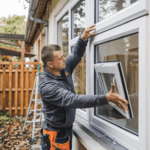
During installation, you can generally expect the team to:
- Remove the existing windows or doors carefully
- Protect floors and surrounding areas
- Prepare the openings
- Install and secure the new products
- Apply appropriate seals and finishing materials
- Adjust opening mechanisms and hardware
- Test the completed installation
- Remove waste and leave the area tidy
The length of the installation depends on the number and type of products being replaced. A single-window replacement may be completed quickly, while a whole-house installation could take several days.
How Much Disruption Does Window Replacement Cause?
One of the most common concerns about replacing windows and doors is the disruption involved.
Professional installers generally work systematically, completing individual openings and limiting the amount of time areas of your home are exposed. This helps maintain comfort and security throughout the installation.
There will be some noise when removing old frames and fitting new products, but careful preparation and an experienced installation team can help keep disruption under control.
For larger projects, multiple installers may work simultaneously in different areas of the property to improve efficiency.
Choosing the Right Windows for Your UK Home
Choosing new windows is about more than appearance. The right windows should suit your property’s architecture while providing the level of performance you need.
When comparing replacement windows, consider:
- Thermal efficiency
- Glazing specification
- Frame material
- Window style
- Security features
- Acoustic performance
- Maintenance requirements
- Colour and finish
- Overall cost
For period properties, traditional designs can help preserve architectural character, while contemporary homes may benefit from slimmer profiles and modern finishes.
Double Glazing or Triple Glazing?
One of the most common questions homeowners ask when replacing windows is whether they should choose double or triple glazing.
Modern double glazing can provide excellent thermal performance and is suitable for many UK homes. Triple glazing can provide additional insulation and may also offer acoustic benefits, but it is not automatically the best choice for every property.
The right option depends on factors such as:
- Your home’s existing construction
- Orientation and exposure
- Local noise levels
- Desired thermal performance
- Existing heating requirements
- Budget
- Long-term energy-efficiency goals
Rather than choosing glazing based solely on the number of panes, consider the overall specification of the window and how well it suits your property.
Energy-Efficient Windows and Lower Heat Loss
Energy efficiency is one of the main reasons homeowners invest in new windows.
Older windows may allow more heat to escape through poorly performing glazing, frames and seals. Modern energy-efficient windows are designed to improve thermal performance and reduce unwanted heat loss.
Features such as high-performance glazing, insulated frames and effective weather seals can help create a more comfortable indoor environment while reducing draughts.
Although replacing windows can involve an upfront investment, improved energy efficiency can contribute to lower heating demand over the long term.
Choosing the Right Window Style and Finish
Your new windows should complement the architectural character of your home.
Traditional and period properties may suit:
- Heritage-style window designs
- Timber or timber-effect finishes
- Georgian or decorative glazing bars
- Traditional colours
- Classic hardware
Modern homes may benefit from:
- Flush window designs
- Slimmer profiles
- Contemporary colours
- Minimalist hardware
- Large glazed areas
There are also plenty of options for homeowners looking to combine traditional appearance with modern window performance and energy efficiency.
Choosing Replacement Doors for Your Home
Windows are only part of the equation. Replacing external doors can also improve security, insulation and the appearance of your property.
When choosing a new front, back or patio door, consider:
- Security and locking systems
- Thermal performance
- Glazing options
- Weather resistance
- Door material
- Colour and finish
- Hardware
- Overall style
The right replacement doors should provide a balance between appearance, performance and everyday practicality.
Common Questions About Window and Door Installation
Will My Home Be Cold During Installation?
Installers generally replace windows and doors individually rather than leaving multiple openings exposed at once. This helps minimise heat loss and keeps disruption to a manageable level.
Will Window Replacement Be Messy?
Some dust and debris are unavoidable when removing old frames and installing new products. Professional installers should protect surrounding areas, work carefully and remove installation waste when the work is complete.
Should I Remove Curtains and Furniture?
Yes. It is advisable to remove curtains, blinds and furniture from around the windows and doors being replaced. This provides the installation team with clear access and helps protect your belongings.
Can Windows and Doors Be Replaced Separately?
Absolutely. You do not have to replace every window and door at the same time. Many UK homeowners choose to complete their window replacement in stages, depending on their priorities and budget.
How Long Does Window and Door Installation Take?
The timescale depends on the number of windows and doors, the products selected and the complexity of the property.
A smaller project may take only a short period, whereas a complete home renovation involving multiple windows, doors or bespoke products may require several days.
Your installer should provide an expected installation schedule before work begins.
Do You Need Planning Permission for Replacement Windows?
In many cases, replacing existing windows and doors with similar products does not require planning permission. However, there can be exceptions.
Additional planning considerations may apply to:
- Listed buildings
- Conservation areas
- Properties with specific planning restrictions
- Projects involving alterations to existing openings
Building regulations may also apply to replacement windows and doors, particularly in relation to thermal performance and other aspects of the installation.
If you are unsure whether your project requires approval, check with your local authority or speak to your installer before work begins.
How Much Does Window Replacement Cost in the UK?
The cost of replacing windows varies considerably depending on the size of the property, number of windows, frame material, glazing specification, style, colour and installation requirements.
Bespoke designs, specialist glazing, heritage-style windows and more complex installations can increase the overall cost.
Rather than choosing solely on price, consider the complete value of the installation, including product quality, energy efficiency, security, installation standards, guarantees and long-term durability.
A detailed quotation should clearly explain what is included so you can make an informed decision.
How to Choose a Window and Door Installer
Choosing the right installer is just as important as choosing the right products.
Before committing to a window installation company, consider:
- Industry experience
- Product quality
- Installation standards
- Customer reviews and reputation
- Guarantees and aftercare
- Clear and transparent quotations
- Relevant accreditations
- Communication throughout the project
Avoid making your decision based purely on the cheapest quotation. A professionally installed, high-quality product can provide better long-term value than an installation chosen solely on initial price.
Can You Replace Windows and Doors in Stages?
Yes. A phased approach can be a practical option if you do not want to replace every window and door at once.
You might begin with windows that are damaged, draughty or particularly inefficient before gradually upgrading the rest of the property.
Replacing windows and doors in stages allows you to spread the investment while still improving the comfort, appearance and performance of your home over time.
Making Your Window Replacement Project Easier
Good preparation can make a significant difference to your window and door installation experience.
Before work begins:
- Confirm your final product choices
- Check the installation schedule
- Clear furniture and belongings from working areas
- Remove curtains and blinds where necessary
- Discuss access requirements with the installer
- Confirm what happens to your old windows and doors
- Check guarantee and aftercare information
- Make sure you understand the quotation
Taking care of these details beforehand allows the installation team to work efficiently and helps avoid unnecessary delays.
Final Thoughts on Window and Door Replacement
Replacing your windows and doors is a significant investment, but it can deliver lasting improvements to your home’s comfort, appearance, security and energy efficiency.
The key is to approach the project with the right information. From choosing energy-efficient windows and modern double glazing to selecting suitable replacement doors and finding an experienced installer, every decision can influence the final result.
Whether you are replacing a single window, upgrading your front door or planning a complete home improvement project, understanding the window and door installation process in the UK gives you greater confidence from the initial quotation through to completion.
With careful planning, quality products and professional installation, new windows and doors can be a valuable improvement to your home for years to come.