


Natural light can transform the way a building looks, feels and functions. Whether you are extending a family home, creating a brighter commercial workspace or refurbishing an existing property, the right roof glazing solution can introduce valuable daylight while enhancing the overall design.
Two of the most popular options for flat and low-pitched roofs are roof lanterns and rooflights. While both are designed to bring natural light into a building, they offer different levels of architectural impact, light distribution, aesthetics and practical benefits.
For homeowners, architects, contractors, developers and commercial property owners across the UK, understanding these differences can help ensure the right solution is selected for each project.
In this guide, we compare roof lanterns vs rooflights, explore their advantages and applications and explain what to consider when choosing roof glazing for a UK property.
What Is a Roof Lantern?
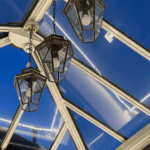
A roof lantern is a raised glazed structure installed on a flat or low-pitched roof. It typically consists of several glass panels arranged around a raised ridge, pyramid or contemporary framework.
Unlike a conventional rooflight, a roof lantern projects above the roofline. This creates a three-dimensional architectural feature that can introduce daylight from multiple directions.
Roof lanterns have traditionally been associated with residential extensions and orangeries, but modern aluminium designs are increasingly being used across a wide range of residential and commercial buildings.
Typical applications include:
- Kitchen and dining extensions
- Orangeries
- Open-plan living spaces
- Garden rooms
- Commercial extensions
- Restaurants and cafés
- Offices
- Retail spaces
- Hospitality venues
- Community and leisure buildings
A roof lantern can do more than brighten a room. Its raised design can draw the eye upwards, creating a greater sense of height and openness.
What Is a Rooflight?
A rooflight is a glazed opening installed into a roof to provide natural daylight to the space below. Rooflights are generally flat or low profile and can be designed to sit flush or close to the roof surface.
Their discreet appearance makes them particularly suitable for projects where maintaining clean architectural lines is important.
Rooflights can be used in both residential and commercial settings, including:
- Kitchens
- Bathrooms
- Hallways
- Loft conversions
- Home offices
- Commercial offices
- Retail units
- Industrial and warehouse spaces
- Restaurants
- Schools and public buildings
- Extensions and refurbishment projects
Depending on the design and specification, rooflights can be available in framed, slimline and frameless options.
Roof Lanterns vs Rooflights: What’s the Difference?
While both products introduce natural light from above, their design and performance characteristics can make them better suited to different applications.
| Feature | Roof Lantern | Rooflight |
| Design | Raised, pitched, pyramid or contemporary | Flat, flush or low-profile |
| Light distribution | Allows daylight to enter from multiple angles | Primarily introduces daylight from above |
| Architectural impact | Creates a prominent design feature | Offers a discreet appearance |
| Sense of space | Can create greater visual height | Maintains a clean roofline |
| Residential applications | Extensions orangeries, kitchens and living areas | Kitchens, bathrooms, hallways and lofts |
| Commercial applications | Offices, hospitality, retail and public spaces | Offices, retail, industrial and commercial buildings |
| Ventilation | Opening options may be available | Opening and ventilation options may be available |
| Frame options | Aluminium and other framing systems | Framed, slimline or frameless options |
| Roof integration | Installed as a raised glazed structure | Generally integrated into the roof |
Neither option is universally better. The right choice depends on the building, available roof space, intended use and desired architectural appearance.
Why Choose a Roof Lantern for a UK Property?
A roof lantern can become a defining feature of a building while providing an effective way to introduce natural daylight.
For UK homes, roof lanterns are particularly popular in rear extensions, kitchen extensions orangeries and open-plan living spaces. They can help create bright, welcoming interiors while adding an architectural focal point.
For commercial properties, roof lanterns can be used to create more inviting environments in restaurants, cafés, offices, retail spaces and hospitality venues.
Key Benefits of Aluminium Roof Lanterns
Modern aluminium roof lanterns offer a combination of strength, durability and contemporary aesthetics.
Stratus Aluminium Roof Lanterns are designed with slimline, thermally broken aluminium frames to provide a balance between appearance and performance.
Key benefits include:
Slim Sightlines
Slim aluminium profiles allow a greater proportion of the roof lantern to be glazed. This can maximise the amount of daylight entering the space while creating a clean, contemporary appearance.
Thermal Performance
Thermally broken aluminium frames are designed to reduce heat transfer through the frame.
When combined with appropriately specified glazing and a well-insulated roof structure, a modern roof lantern can contribute to a comfortable and energy-conscious building.
For UK properties, thermal performance is an important consideration due to the need to maintain comfortable indoor temperatures throughout the changing seasons.
Strength and Durability
Aluminium provides a strong and durable framing material that can support large areas of glazing while maintaining relatively slim profiles.
It is suitable for both residential and commercial applications where long-term performance is important.
Low Maintenance
Aluminium frames are generally easy to maintain and do not require the same level of ongoing treatment associated with some traditional framing materials.
Routine cleaning and inspection can help maintain the appearance and performance of the roof lantern over time.
Flexible Colours and Finishes
Roof lanterns can be supplied in a range of colours and finishes to complement existing windows, doors, roof systems and architectural details.
Popular neutral shades such as black, grey and white can provide a contemporary appearance, while custom RAL finishes can offer greater flexibility for individual projects.
Roof Lantern Styles for Modern UK Architecture
Contemporary roof lanterns are available in a variety of configurations, making it easier to select a design that complements the building.
Pyramid Roof Lanterns
A pyramid-style roof lantern rises towards a central point and provides a distinctive architectural appearance.
This style can work particularly well on square or compact roof areas and can add a traditional or contemporary character depending on the surrounding architecture.
Two-Way Roof Lanterns
A two-way lantern features a raised ridge with glazing sloping down on either side.
This design can provide generous areas of glazing while maintaining a clean and modern appearance.
Contemporary Flat-Ridge Roof Lanterns
For modern homes and commercial architecture, a flat-ridge design can provide a more minimalist interpretation of the traditional roof lantern.
This can be particularly effective on contemporary extensions where clean lines and slim profiles are important.
When Is a Rooflight the Better Choice?
Rooflights are often the preferred option when the priority is natural daylight without a prominent roof structure.
In a residential setting, a rooflight can be particularly effective in spaces such as hallways, bathrooms, loft conversions, utility rooms and smaller extensions.
In commercial buildings, rooflights can help improve the internal environment of:
- Offices
- Retail units
- Restaurants
- Warehouses
- Workshops
- Schools
- Healthcare and community buildings
- Industrial premises
By introducing daylight into areas that may have limited access to external windows, rooflights can help make otherwise dark internal spaces feel brighter and more usable.
Rooflights for Commercial Buildings
For commercial property owners and developers, roof glazing is not simply an aesthetic consideration.
Natural light can play an important role in creating a comfortable and attractive environment for employees, customers and visitors.
For example, a well-positioned rooflight system could help bring daylight into the centre of a commercial floorplan where traditional windows may not be practical.
In retail and hospitality environments, natural light can contribute to the overall atmosphere and customer experience.
For offices, roof glazing can help create brighter working environments while reducing reliance on artificial lighting during daylight hours.
The appropriate solution will depend on the building’s design, occupancy, use and relevant performance requirements.
Roof Lanterns for Extensions and Orangeries
For UK homeowners extending their properties, roof lanterns remain a popular choice for creating bright, open-plan spaces.
A kitchen extension with a roof lantern, for example, can benefit from both increased daylight and a stronger connection between the interior and exterior.
Roof lanterns can also work particularly well in orangeries, where the raised glazed roof forms an important part of the room’s architectural character.
The key is to choose a roof lantern that is appropriately proportioned for the extension. A large roof lantern in a small room can dominate the space, while a very small lantern may not provide the visual impact or daylight levels desired.
Rooflights for Extensions and Renovations
Rooflights offer a more understated alternative for extensions and refurbishment projects.
They can be incorporated into a flat roof without creating the same raised structure as a roof lantern.
This makes them particularly suitable when the design calls for:
- A minimalist appearance
- A low-profile roof
- Clean architectural lines
- Maximum use of available roof space
- Natural light without a dominant feature
For contemporary UK homes, a large rooflight can create a striking connection with the sky while maintaining a simple external appearance.
Natural Light: Which Provides More?
It is tempting to assume that a roof lantern will always provide more daylight than a rooflight, but the reality is more complex.
The amount of natural light entering a room depends on several factors, including:
- Glazed area
- Glass specification
- Roof orientation
- Position of the glazing
- Size and shape of the room
- Ceiling height
- Surrounding buildings
- Trees and other obstructions
- Local daylight conditions
A roof lantern has the advantage of angled glazing, which can allow light to enter from multiple directions.
A rooflight, meanwhile, can provide a strong overhead source of daylight and may be particularly effective when positioned strategically within a room.
The design of the entire roof should therefore be considered rather than choosing a product based solely on its type.
Thermal Performance and Energy Efficiency
Thermal performance is an important consideration for both residential and commercial roof glazing in the UK.
Modern roof lanterns and rooflights can incorporate high-performance glazing and thermally efficient framing systems.
For example, thermally broken aluminium frames are designed to minimise heat transfer through the frame.
However, the overall thermal performance of a roof glazing installation depends on the complete system, including:
- Glass specification
- Frame construction
- Thermal breaks
- Roof insulation
- Installation quality
- Junctions between the roof and glazing
- Ventilation
When comparing products, it is therefore important to consider the performance of the complete roof glazing system rather than focusing on one component in isolation.
Ventilation and Indoor Comfort
Ventilation can also be an important consideration, particularly in kitchens, bathrooms, restaurants and other occupied spaces.
Depending on the system selected, roof lanterns and rooflights may be available with opening or ventilation options.
For commercial buildings, ventilation requirements may be more complex and should be considered as part of the wider building design.
A suitable ventilation strategy can help manage humidity, improve indoor comfort and support a healthier internal environment.
Maintenance Requirements
Both roof lanterns and rooflights require regular cleaning and maintenance to keep them looking their best.
The level of maintenance will depend on the product, installation location and surrounding environment.
Factors such as nearby trees, pollution, dust and weather exposure can influence how frequently the glazing needs to be cleaned.
Modern aluminium roof lanterns offer the advantage of relatively low-maintenance frames. Regular inspection of seals, drainage points and opening mechanisms, where applicable, can also help maintain long-term performance.
When planning a roof glazing installation, it is worth considering how the glass will be accessed for cleaning and maintenance.
Cost: Roof Lantern vs Rooflight
The cost of roof glazing varies depending on the size, design, materials, glazing specification and complexity of the installation.
A straightforward rooflight can be an economical way of introducing natural daylight into a smaller room.
A larger aluminium roof lantern may represent a greater initial investment, particularly where bespoke dimensions, specialist glazing or more complex installation work is required.
However, price should not be the only consideration.
For both residential and commercial properties, it is worth considering:
- Initial purchase cost
- Installation costs
- Thermal performance
- Glazing specification
- Durability
- Maintenance requirements
- Expected lifespan
- Architectural value
- Suitability for the building
The most cost-effective solution is not necessarily the cheapest product. A well-specified roof glazing system can provide value over many years through durability, performance and improved usability of the space.
UK Planning and Building Regulations
For projects in the UK, roof glazing should be considered as part of the wider planning and building design.
Depending on the property and the nature of the work, you may need to consider planning permission, Building Regulations, structural requirements, thermal performance, ventilation and other applicable standards.
Requirements can differ depending on whether the project involves a residential property, commercial premises, new construction, an extension or a refurbishment.
For commercial projects in particular, additional requirements may apply depending on the building’s use and occupancy.
It is always advisable to consult your architect, building professional, structural engineer or experienced installer before beginning work. They can help establish which requirements apply to your specific project.
How to Choose Between a Roof Lantern and Rooflight
If you are still deciding which solution is right for your property, consider the following:
Choose a Roof Lantern If You Want:
- A prominent architectural feature
- Natural light from multiple directions
- A greater sense of ceiling height
- A centrepiece for a kitchen or living extension
- An attractive feature for an orangery
- Slimline aluminium framing
- A choice of contemporary or traditional-inspired designs
- A roof glazing solution that makes a visual statement
Choose a Rooflight If You Want:
- A discreet roof glazing solution
- A clean and minimalist appearance
- A low-profile installation
- Natural light without significantly changing the roofline
- A solution for smaller or more enclosed spaces
- A contemporary finish for a home or commercial property
- Framed, slimline or frameless options
Roof Lanterns vs Rooflights: At a Glance
The decision can be simplified by thinking about the role you want your roof glazing to play.
Want your roof glazing to be a feature?
A roof lantern could be the ideal choice.
Want the glazing to blend into the roof?
A rooflight may be more suitable.
Want light from multiple angles?
A roof lantern can provide this through its raised, multi-panel design.
Want a simple, low-profile solution?
A rooflight offers a clean and understated alternative.
Glazing a large extension or commercial space?
Both can work, but the final choice should be based on the building’s size, use, design and performance requirements.
Finding the Right Roof Glazing Solution
Choosing between a roof lantern and a rooflight is ultimately about finding the right balance between natural light, design, performance and practicality.
For UK homes, a roof lantern can transform an extension orangery, kitchen or living area into a bright and welcoming space while adding architectural character.
For commercial properties, roof glazing can help create attractive and functional environments in offices, retail spaces, restaurants, hospitality venues and other buildings.
A roof lantern is an excellent choice when you want to make a statement, introduce light from multiple directions and create a greater sense of height.
A rooflight is ideal when you prefer a discreet, minimalist solution that brings daylight into a space while maintaining a clean roofline.
There is no single solution that works for every property. By considering the building’s architecture, room size, intended use, desired appearance, thermal performance, maintenance requirements and applicable UK regulations, you can select the roof glazing system that best meets your project’s needs.
Explore Your Roof Glazing Options
Whether you are planning a residential extension, refurbishing an existing property or specifying roof glazing for a commercial project, choosing the right system at the design stage can make a significant difference to the finished space.
Stratus Lanterns offers contemporary aluminium roof lantern and roof glazing solutions designed to combine natural daylight, modern aesthetics and long-term performance.
Explore the available options to find a roof glazing solution suited to your next UK residential or commercial project.
This version is deliberately aimed at both homeowners and commercial decision-makers, rather than making the article read like a domestic-only guide. It also gives you more opportunities to target searches around UK roof lanterns, aluminium roof lanterns, commercial rooflights, rooflights for extensions and roof glazing.